Affordable dirt that doesn't compromise
Best Overdrive Pedals
Let's be honest—some of the greatest guitar tones in history came from dirt cheap gear. The original Tube Screamer cost less than most of us spend on coffee in a month, and it still defines what overdrive should sound like. The good news? That tradition continues today. You don't need to spend a fortune to get great overdrive tones. These pedals prove that with the right circuit design and quality components, affordability and great sound aren't mutually exclusive.
The Best Match for Your Style
More Options
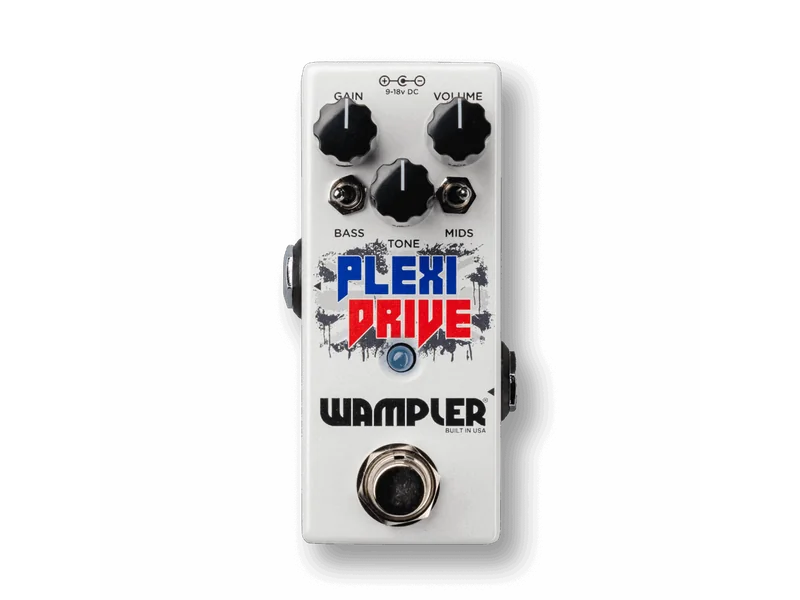
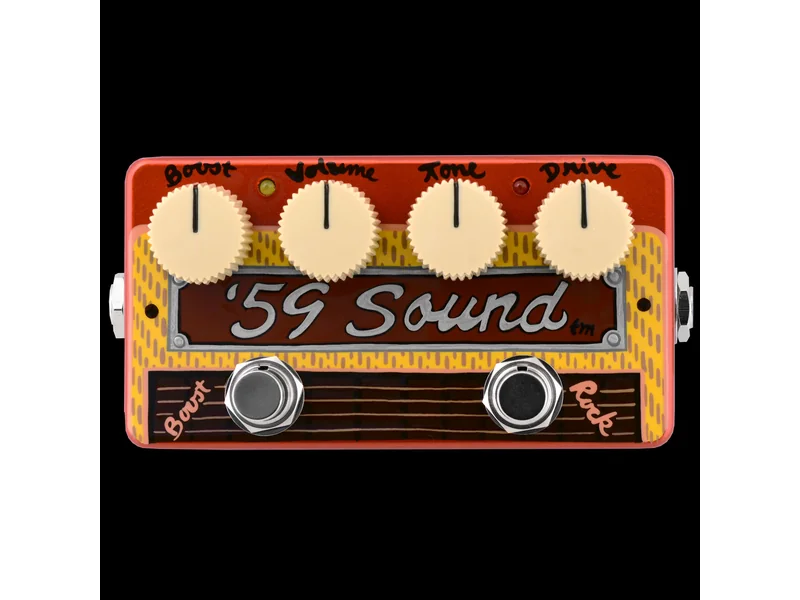
When you're shopping for an affordable overdrive, there are a few qualities that separate the contenders from the pretenders. Understanding what makes a good budget overdrive helps you make better choices, whether you're spending under a hundred or over three hundred.
Circuit transparency is perhaps the most important factor. Budget pedals often colour your tone more than expensive ones simply because the designs are simpler and the component quality is lower. But the best budget overdrives add harmonic richness while preserving what makes your guitar and amp sound like your guitar and amp. They work with your rig, not against it. Look for pedals that let your fundamental tone through while adding that touch of warmth and grit.
Volume knob dynamics are what separate good overdrives from great ones. The best overdrives respond beautifully to your guitar's volume knob. Roll it back and you get pristine cleans that sparkle and breathe; dime it and you get saturated drive that sings. This is the secret sauce of great overdrive—it should be an extension of your guitar, not a fixed sound you can't escape. If you can't clean up by rolling back your volume, you're not really controlling the overdrive.
Noise floor matters more than you might think. Budget doesn't have to mean noisy—modern op-amp based circuits can be surprisingly quiet—but some designs will hum and hiss at anything above low volumes. Noise floor—how quiet the pedal is at rest—matters more than current draw specifications. A low noise floor means less hum and hiss, while headroom (how much clean signal can pass before clipping) determines whether the pedal stays transparent or breaks up early. A quiet pedal is a usable pedal, and a noisy one will frustrate you every time you play.
The market under seventy-five pounds is surprisingly competitive. Boss, Ibanez, and TC Electronic all make excellent pedals in this price range that have earned their place on countless professional boards. The key is matching the pedal to your amp—some overdrives sound best pushed into an already-cooking amplifier, while others work better as a front-end for a clean amp. Don't overlook the importance of trying different gain stages with your specific guitar. What sounds incredible with humbuckers might fall flat with single-coils, and vice versa. The best approach is always: know your gear, trust your ears, and don't assume expensive equals better.
If you found this useful, consider buying us a coffee
Support the project