Recommended Pedals
The essential Chorus pedals to know about
Walrus Audio Julia
Lush, romantic chorus ranging from subtle shimmer to seasick wobble. Analog-style warmth with digital flexibility. Stunning in stereo.
Boss CE-5 Chorus Ensemble
Multiple algorithms including vintage and modern modes. Stereo I/O, expression control, legendary Boss reliability. Works perfectly in any context.
TC Electronic Afterglow Chorus
Analog chorus circuit with warm, organic modulation. Simple controls, great tone. Classic bucket-brigade character.
TC Electronic Corona Mini Chorus
Mini-sized digital chorus with TonePrint technology. Warm, organic tone with modern flexibility. Affordable entry point for chorus exploration.
Chorus modulates pitch subtly, creating an effect where single notes sound like multiple instruments playing in slight pitch variation. It's the sound of thick, lush tone. It's subtle enough to enhance tone without obvious effect character, yet capable of creating obviously modulated, textural effects. Chorus is one of the most versatile modulation effects—it works on clean tones, subtle overdrive, heavy distortion, and everything in between.
What Is Chorus? The Physics of Multiple Players
Imagine three guitarists playing the same note, but each slightly out of tune with the others. The notes blend, creating a thick, rich sound with subtle pitch variation. That's what chorus simulates.
Chorus works by:
- Dry signal: Your original guitar note
- Wet signal: A pitch-modulated copy (slightly detuned)
- Mix: Both signals combined
When combined, the slight pitch difference creates constructive and destructive interference patterns that our ear perceives as "thickness" and "lushness."
The magic is in the modulation—the wet signal's pitch sweeps up and down continuously, never staying perfectly in tune or perfectly out of tune. This dynamic pitch variation prevents the effect from sounding static.
Chorus Parameters: Understanding the Controls
Rate (LFO Speed)
How fast the pitch modulation sweeps.
Slow rate (0.5-2 Hz): Gradual pitch sweeps. Smooth, lush, orchestral. The effect moves slowly, creating gentle movement.
Medium rate (2-4 Hz): Standard for most applications. Noticeable modulation that moves at a natural, musical pace.
Fast rate (4+ Hz): Rapid pitch sweeps. Creates wobbling, almost vibrato-like effect. Obvious modulation.
Sync to tempo: Some modern chorus pedals sync rate to your song's tempo. A quarter-note LFO rate locks the modulation to the beat.
Depth (Amount of Modulation)
How much the pitch actually deviates.
Shallow depth (0-25%): The pitch modulation is barely noticeable. Sounds almost transparent, adding thickness without obvious effect.
Medium depth (25-50%): Obvious modulation but not extreme. Clearly an effect, but musical and usable.
Deep depth (50%+): Aggressive pitch sweep. Creates wobbling, "seasick" effect. More texture-oriented than tone-shaping.
Tone Control
Some chorus pedals offer tone shaping:
Brighter setting: Emphasizes treble modulation. Sharper, more obvious effect.
Darker setting: Reduces treble modulation. Smoother, warmer, more transparent.
Wet/Dry Balance
Like reverb and delay, chorus offers a dry/wet blend.
Low wet (10-20%): Barely noticeable thickness. Perfect for "always on" subtle enhancement.
Medium wet (30-50%): Obviously chorus, obviously intentional. Standard for most uses.
High wet (70%+): Lush, orchestral textures. Becomes the primary sound rather than enhancement.
Modulation Width (Delay Time)
Some chorus designs vary the delay between dry and wet signals. Longer delay times create wider, more spacious textures.
Short delay (5-15ms): Tight, dense modulation. Less spacious.
Medium delay (15-30ms): Standard width. Balanced spaciousness.
Long delay (30+ ms): Wide, spacious effect. Creates obvious separation between dry and wet.
Chorus Types and Algorithms
Simple Chorus (Classic Design)
Single LFO modulating a fixed delay. Clean, straightforward effect.
Character: Warm, simple, predictable.
Best for: Players who want classic chorus without complexity. Think 1980s Fender or Boss designs.
Example: Electro-Harmonix Small Clone, Boss CE-1.
Stereo Chorus
Wide, spacious modulation that places dry signal in center and wet signal across stereo field.
Character: Lush, orchestral, obviously spacious.
Best for: Studio work, stereo setups, anything where space matters.
Example: Boss CE-5, Walrus Julia (in stereo mode).
Analog Chorus (Bucket-Brigade)
Uses analog circuitry (bucket-brigade chips) instead of digital processing.
Character: Warm, organic, slightly noisy but musical.
Best for: Players prioritizing tone character over pristine digital accuracy.
Example: Electro-Harmonix Small Clone, MXR Analog Chorus.
Digital Chorus
Uses digital DSP (digital signal processing) for modulation.
Character: Clean, precise, multiple algorithm options, no noise.
Best for: Professional use, reliability, preset recall.
Example: Boss CE-5, Strymon effects.
Tri-Chorus (Three-Voice Modulation)
Three independent modulation sources create more complex, evolving textures.
Character: Lush, thick, complex, less obviously modulated.
Best for: Players wanting orchestral thickness without obvious effect character.
Example: Boss CE-5 (includes tri-chorus algorithm).
Ensemble Effect
A variation on chorus that emphasizes width and ensemble texture over obvious pitch modulation.
Character: Thick, warm, almost reverb-like spaciousness.
Best for: Rhythm playing, clean tone enhancement, professional contexts.
Example: Boss CE-5, Fender Bassman amplifiers (built-in ensemble).
Vibrato (Pitch Modulation Without Delay)
Unlike chorus, vibrato modulates only pitch without mixing in a dry signal. The result is more overtly modulated.
Character: Obvious pitch wobble, more dramatic effect.
Best for: Texture creation, experimental tone work.
Note: True vibrato and chorus are different effects, but many pedals combine them.
The Stereo Advantage: Why Chorus Needs Width
Chorus in mono sounds adequate. Chorus in stereo sounds transformative.
Mono chorus: The dry and wet signals blend, creating thickness. The effect is clear but not impressive.
Stereo chorus: Dry signal in left channel, wet signal in right channel (or panned). The separation creates width that sounds orchestral and lush.
Stereo Setup for Maximum Impact
Option 1: Stereo Pedalboard
Run two amplifiers (left and right) and send chorus stereo output to each. The result is a wide, spacious effect.
Option 2: Stereo Return
If your amplifier has stereo return or multiple inputs, send chorus left/right to each. Some amps automatically sum this to create width even in mono.
Option 3: Stereo Headphones
Headphone monitoring reveals the width that live mono performance obscures.
Pro Insight: Many professional players using single mono amp still benefit from stereo chorus in studio. The width creates a more impressive tone than mono chorus.
Chorus in the Signal Chain: Placement and Interaction
Optimal Order
- Guitar → Tuner
- Boost/Compressor
- Overdrive/Distortion
- CHORUS GOES HERE (or with other modulation)
- Delay
- Reverb
Why this order? Chorus modulates the pitch of whatever comes before it, so placing it before drives means the drives process modulated signal (interesting texture). Placing it after drives means clean drives get modulated (more typical).
Chorus Before Drives: Interesting Interactions
When chorus comes before distortion/overdrive:
- The modulated signal gets processed through the drive
- The pitch modulation becomes part of the drive's harmonic content
- Result: Modulated distortion with moving, evolving character
Use case: Experimental tone work, creating textures that stand out from typical heavy tone.
Chorus After Drives: The Professional Setup
Chorus after drives means clean modulation applied to already-driven tone.
- Preserves the drive's character
- Adds lush modulation without interference
- Result: Heavy tone with subtle movement
Use case: Professional gigging, metal/rock, anywhere clarity matters more than texture.
Chorus With Other Modulation
Using chorus with flanger, phaser, or tremolo creates complex interactions:
Chorus + Flanger: Dense, swirling modulation. Can become mushy if both are aggressive.
Chorus + Phaser: Smooth, orchestral modulation. Both effects complement each other well.
Chorus + Tremolo: Chorus adds pitch modulation, tremolo adds volume modulation. Together they create moving, evolving texture.
Chorus + Reverb: The Orchestral Foundation
The combination of chorus and reverb is fundamental to creating lush, orchestral tone:
Setup: Subtle chorus (20-30% wet) + subtle reverb (25-35% wet)
Result: A guitar tone that sounds like it's being played through a large venue with multiple players.
Professional use: This combination appears in virtually every professional clean-tone recording from the 1980s onward.
Chorus + Compression: The Pro Rock Tone
Compression evens out picking dynamics. Chorus adds modulation. Together they create smooth, sustaining, lush tone:
Setup:
- Compressor (moderate compression, adds sustain)
- Mild overdrive (adds warmth)
- Chorus (adds modulation and width)
- Reverb (adds space)
Result: The archetypal professional clean tone—smooth, sustaining, musical.
Chorus + Distortion: The Rare Combination
Chorus with heavy distortion is unusual but can work:
Challenge: Distortion is already complex harmonically. Adding chorus can create phase artifacts or mud.
Solution: Use subtle chorus (slow rate, shallow depth) with distortion. Place chorus after distortion so modulation is applied to the final tone, not to the signal going into distortion.
Best for: Atmospheric, experimental heavy tone. Not recommended for professional rhythm or lead work.
Famous Chorus Tones: What Made Them Sound That Way
David Gilmour (Pink Floyd) - Fender Chorus
Fender amplifier with built-in chorus effect, often set to lush settings. This iconic tone appears on tracks like "Comfortably Numb."
Lesson: Subtle, always-on chorus can become part of an artist's signature sound.
John Mayer - Boss CE-5 Stereo
Mayer uses extensive chorus in stereo, creating orchestral width on clean tones. The modulation interacts with reverb to create that spacious Mayer tone.
Lesson: Stereo chorus in stereo system creates impressive width that single-amp mono can't match.
Andy Summers (The Police) - Rack Mount Chorus
Summers used expensive rack-mount chorus units to create the lush, modulated textures throughout The Police's catalog.
Lesson: Professional touring musicians often prioritize chorus quality highly.
2026 Chorus Landscape
Boss Remains the Standard
Boss CE-5 and newer Boss Waza Craft CE-1W remain industry standards for reliability and features.
Analog Making a Comeback
Players rediscovering the warmth of analog bucket-brigade designs. Electro-Harmonix Small Clone and MXR Analog Chorus are trending upward.
Boutique Designs Dominating
Walrus Audio, JHS Pedals, and other boutique builders offer chorus with unique character that mass-market designs can't match.
Digital Modeling Offering New Possibilities
Modeling platforms (Fractal, Kemper, Line 6) offer dozens of chorus algorithms, including experimental and hybrid designs not available in hardware.
Stereo-Centric Design
Newer designs emphasize stereo processing more than ever. Many pedals now include stereo I/O as standard, not optional.
Common Chorus Mistakes
Mistake 1: Too Much Depth
More modulation sounds wider, but creates obvious wobble. Most professionals use 25-40% depth.
Mistake 2: Too Fast Rate
Fast LFO sounds obvious and can be distracting. Slower rates (1-3 Hz) sound more natural and musical.
Mistake 3: Using Mono Only
Chorus in stereo is dramatically better than mono. If possible, use stereo setup or at least monitor with headphones to hear the width.
Mistake 4: Chorus on Every Note
Chorus is for enhancement and texture, not for obvious effect on rhythm playing. Use it selectively.
Mistake 5: Chorus Before Heavy Distortion
Chorus modulates the signal going into distortion, creating artifacts. Place chorus after distortion instead.
Mistake 6: Ignoring Tone Control
Many chorus pedals have tone controls. Experiment—darker settings often sound more professional and less synthetic.
Troubleshooting Chorus Issues
Problem: Chorus Sounds Thin or Weak
Solution: Increase depth. Increase wet level. Check that your dry signal is being heard (reduce other effects' wet levels). Verify stereo connections if using stereo.
Problem: Chorus Sounds Wobbling or Seasick
Solution: Decrease depth. Slow down rate. Lower wet level. Consider switching to different chorus algorithm.
Problem: Chorus Doesn't Mix Well with Distortion
Solution: Reduce chorus depth. Place chorus after distortion instead of before. Or eliminate chorus entirely when using heavy distortion.
Problem: Chorus Sounds Different in Stereo vs. Mono
Solution: This is normal. Stereo chorus emphasizes width that mono can't reproduce. Either use stereo or accept mono limitations.
Problem: Can't Get Lush Sound Like Professional Recordings
Solution: Add reverb after chorus. Use compression before chorus. Increase chorus depth moderately (30-50%). Consider stereo setup.
The Chorus Philosophy
Chorus is one of the most transparent yet transformative effects. Turn it off, and your tone sounds thinner. Turn it on subtle, and your tone sounds bigger without obviously being affected. Turn it up aggressive, and you have a signature effect.
The magic of chorus is that it can be invisible or obvious depending on your settings. Learn to use it subtly, and you'll discover that many professional tones you admire include subtle chorus running constantly.
Chorus isn't about effect character—it's about tone enhancement. The best chorus is the one you barely notice but would immediately miss if it disappeared.
Live Chorus Price Index
UK & European retailers • Updated daily
| Pedal | Style | Country | Price |
|---|---|---|---|
| Boss CE-5 Chorus Ensemble | Analog | Japan | €110 |
| Boss CEB-3 Bass Chorus | Analog | Taiwan | €94 |
| Boss CH-1 Super Chorus | Analog | Japan | €115 |
| Caroline Guitar Company Somersault | Analog | USA | €277 |
| EarthQuaker Devices Aurelius | Multi-voice | USA | — |
| EarthQuaker Devices Sea Machine V3 | Multi-voice | USA | €200 |
| Electro-Harmonix Nano Clone | Analog | USA | €49 |
| Electro-Harmonix Neo Clone | Analog | USA | €75 |
| Ibanez CSMini Chorus | Dimension-style | Japan | €91 |
| Mooer Ensemble King | Analog | China | €51 |
| PastFX Chorus Ensemble MN3007 | Analog | Australia | — |
| TC Electronic 3rd Dimension Chorus | Dimension-style | Denmark | €29 |
| TC Electronic Afterglow Chorus | Analog | Denmark | — |
| TC Electronic Corona Mini Chorus | Multi-voice | Denmark | — |
| TC Electronic June 60 V2 Chorus | Analog | Denmark | — |
| TC Electronic Mimiq Doubler | Analog | Denmark | — |
| Walrus Audio Fundamental Chorus | Digital | USA | — |
| Walrus Audio Julianna Deluxe Chorus/Vibrato | Analog | USA | €264 |
| Walrus Audio Julia V2 | Analog | USA | €218 |
| Warm Audio WA-C1 | Analog | USA | — |
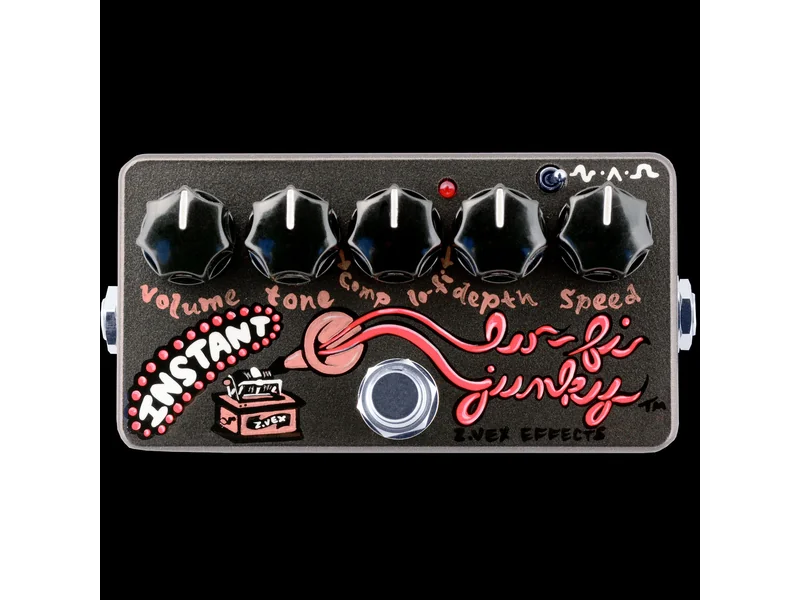
| Zvex Instant Lo-Fi Junky | Analog | USA | €249 |
Browse All Chorus Pedals
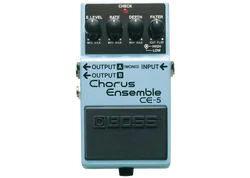
CE-5 Chorus Ensemble
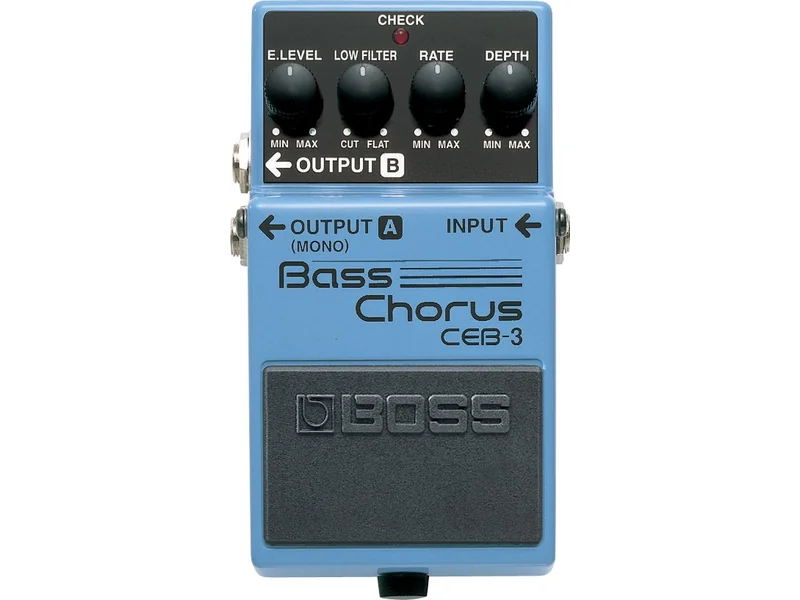
CEB-3 Bass Chorus
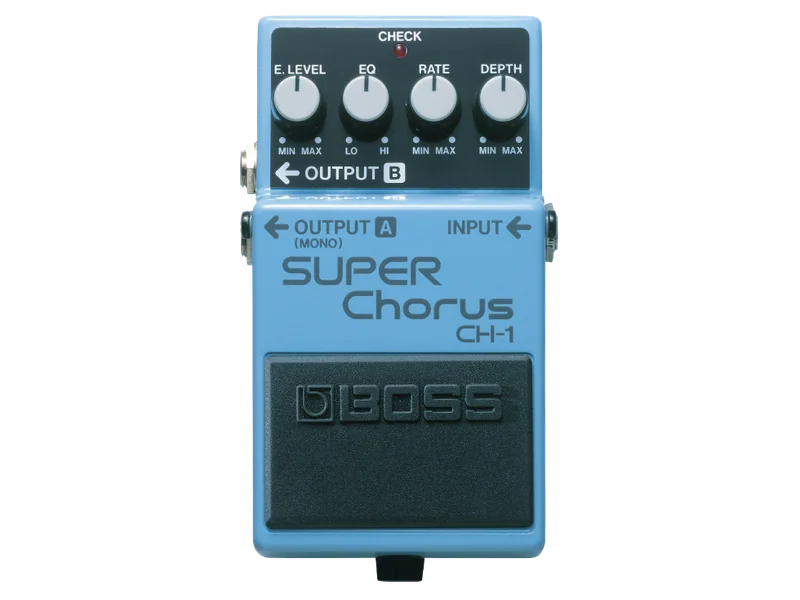
CH-1 Super Chorus
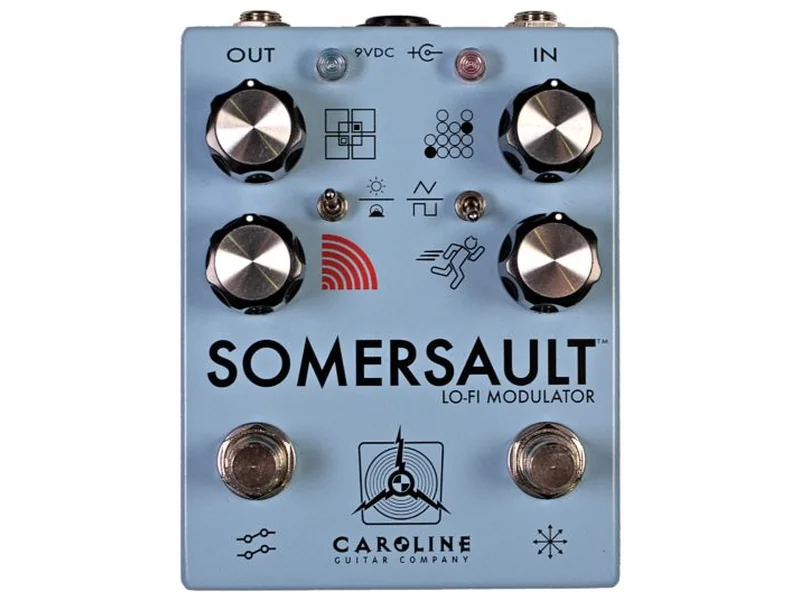
Somersault
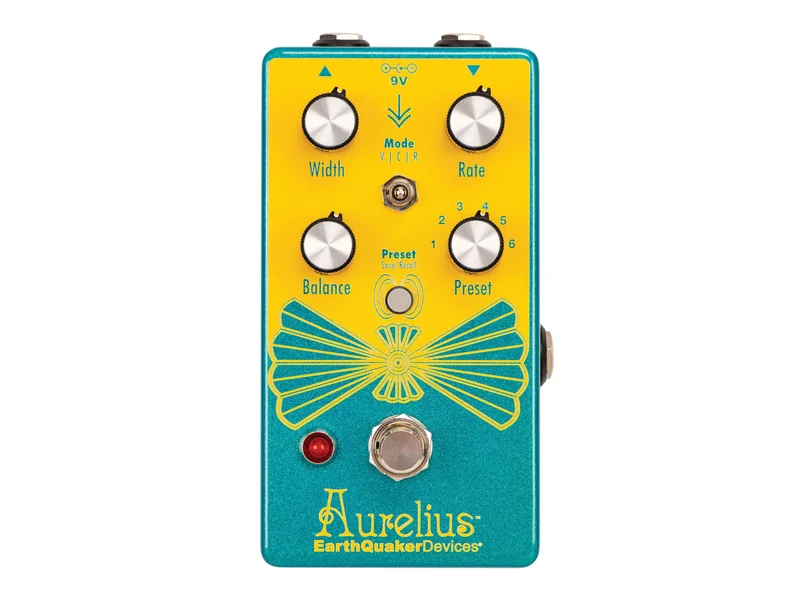
Aurelius
Sea Machine V3
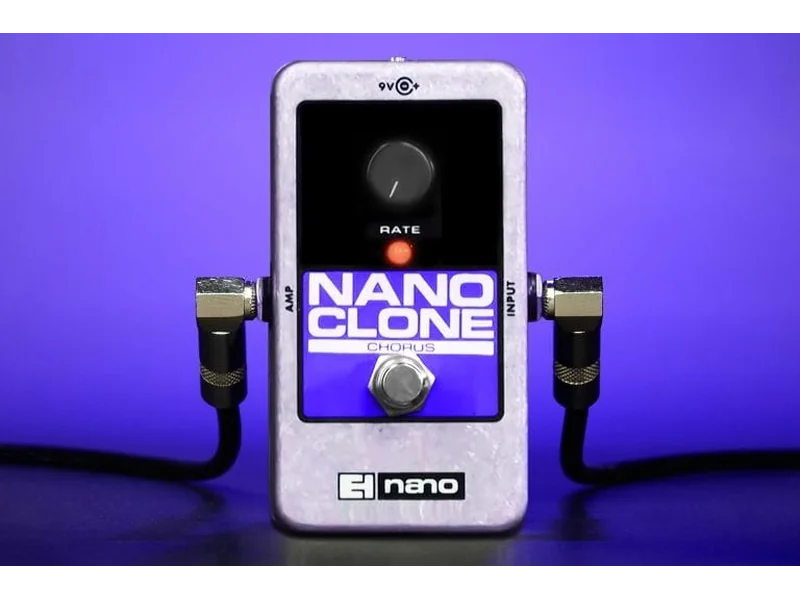
Nano Clone
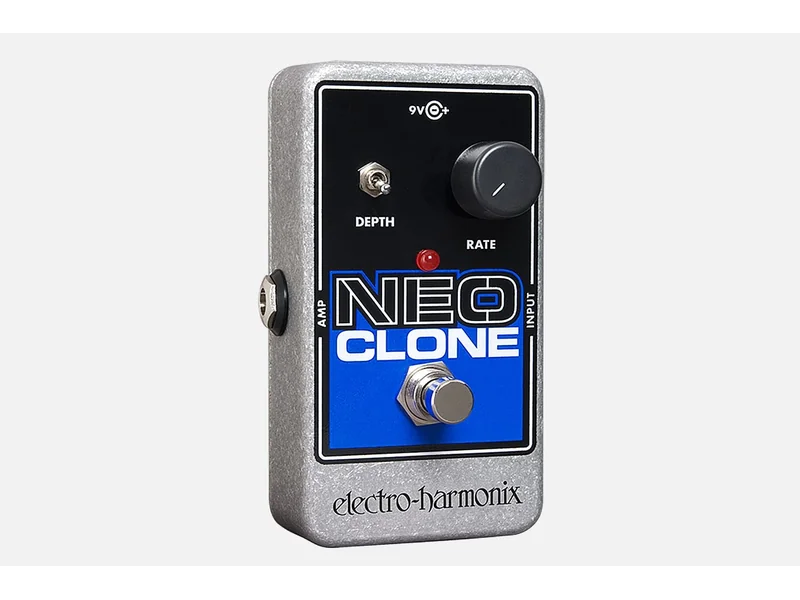
Neo Clone
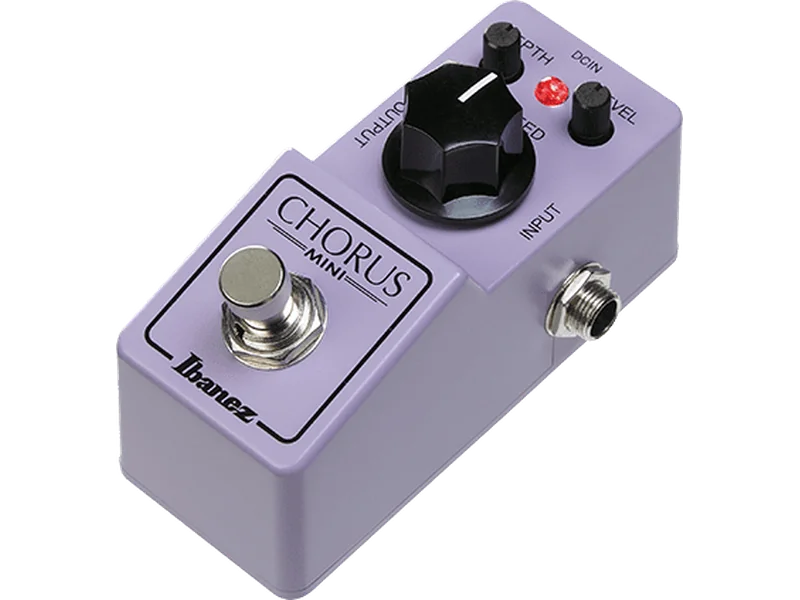
CSMini Chorus
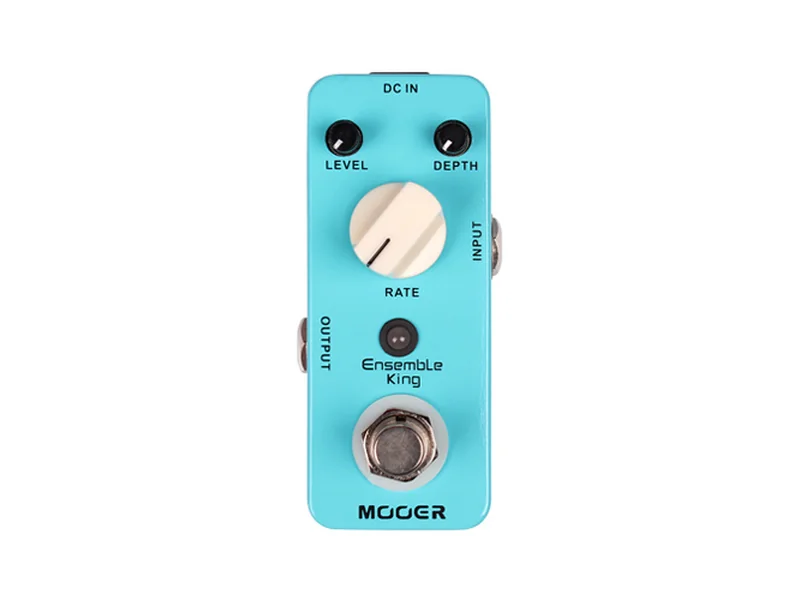
Ensemble King
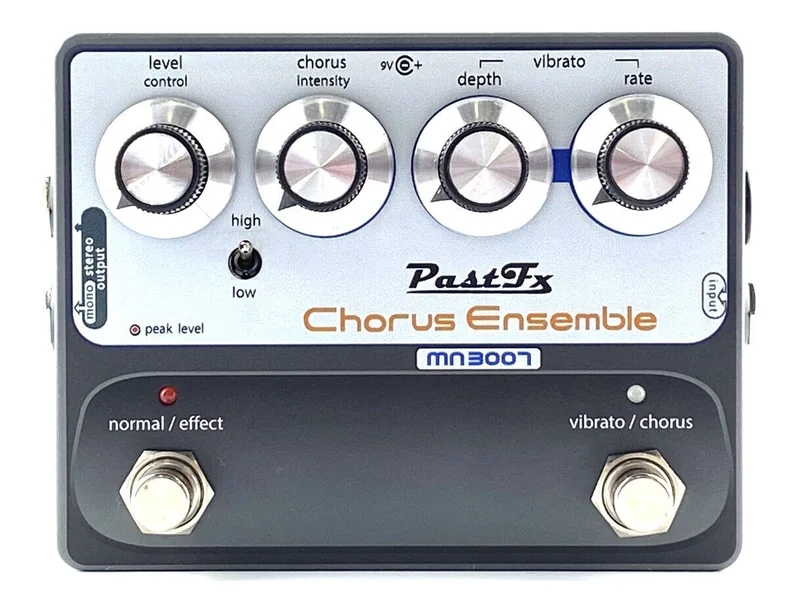
Chorus Ensemble MN3007
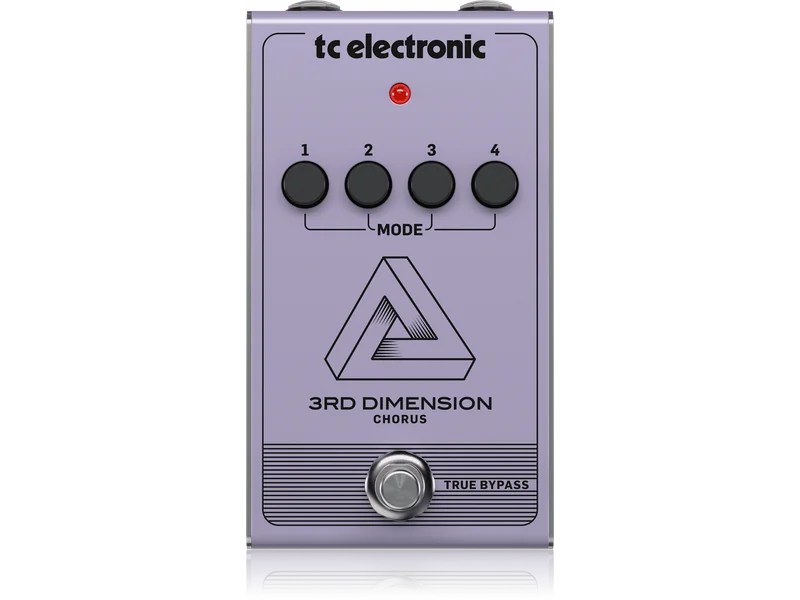
3rd Dimension Chorus

Afterglow Chorus
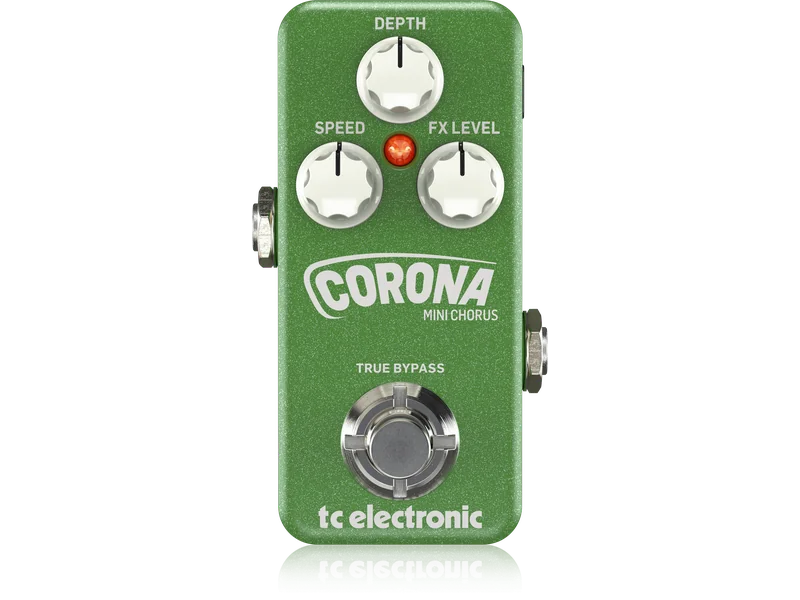
Corona Mini Chorus
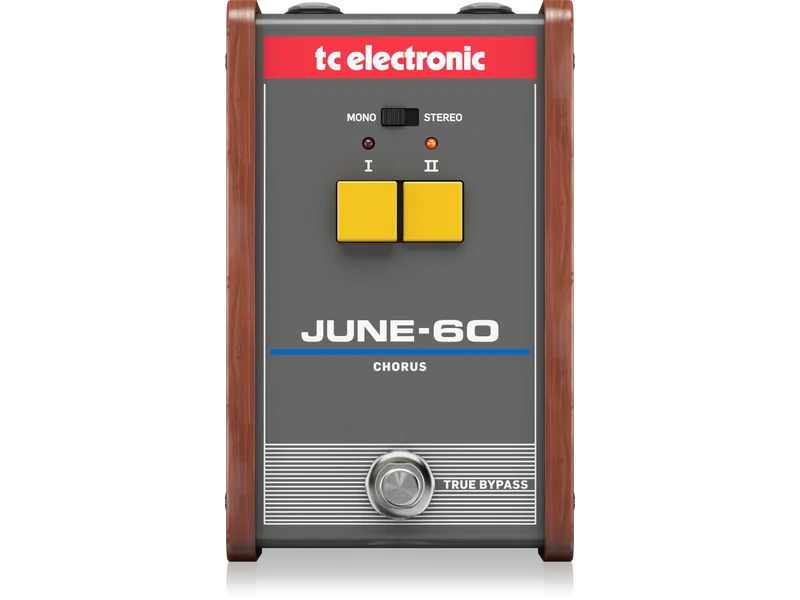
June 60 V2 Chorus
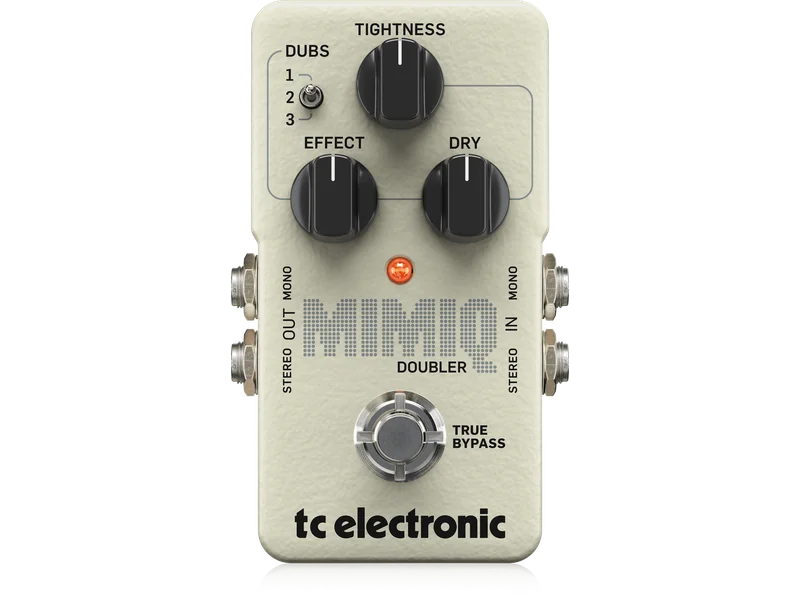
Mimiq Doubler
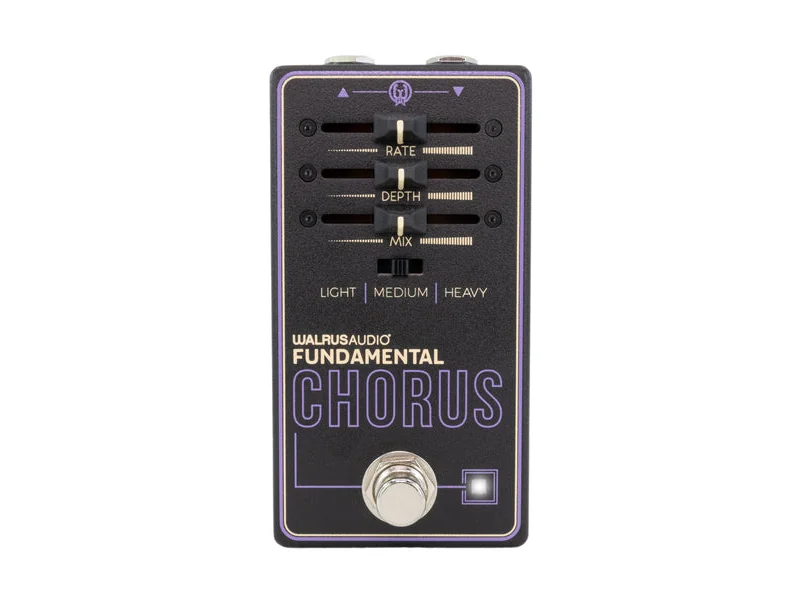
Fundamental Chorus
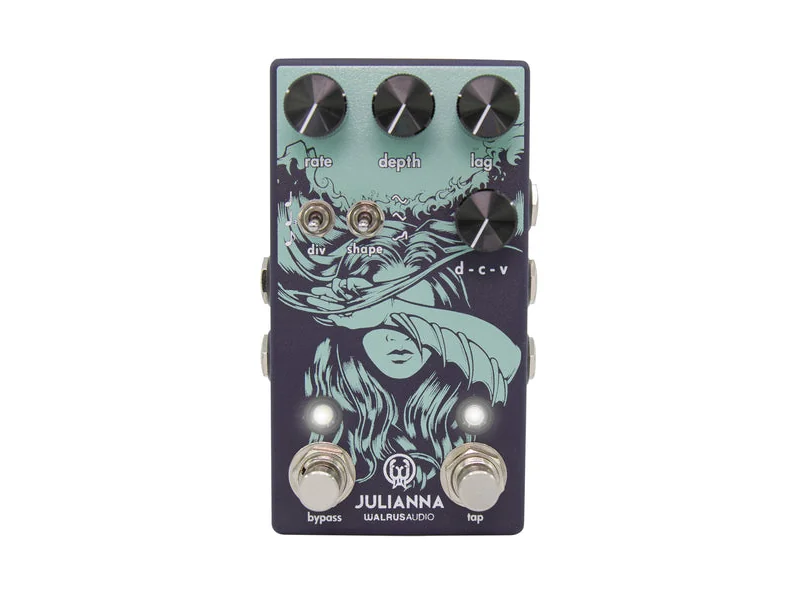
Julianna Deluxe Chorus/Vibrato
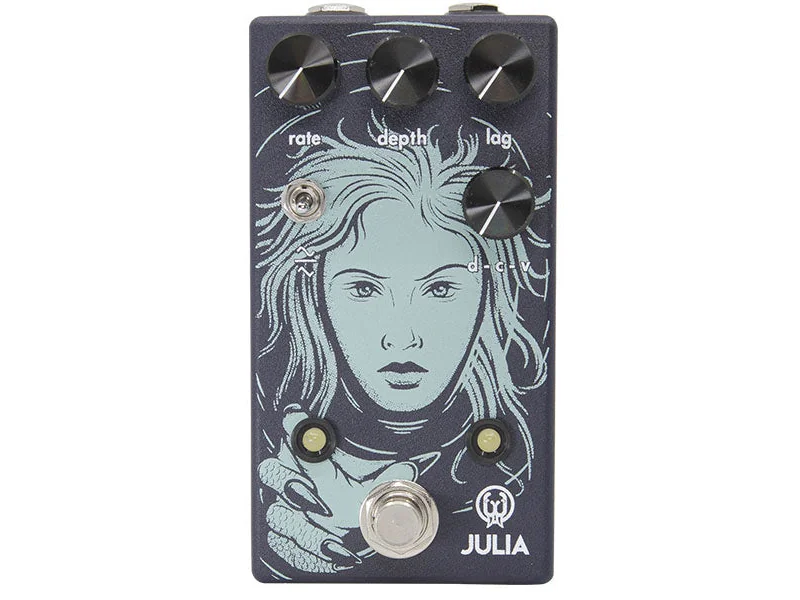
Julia V2
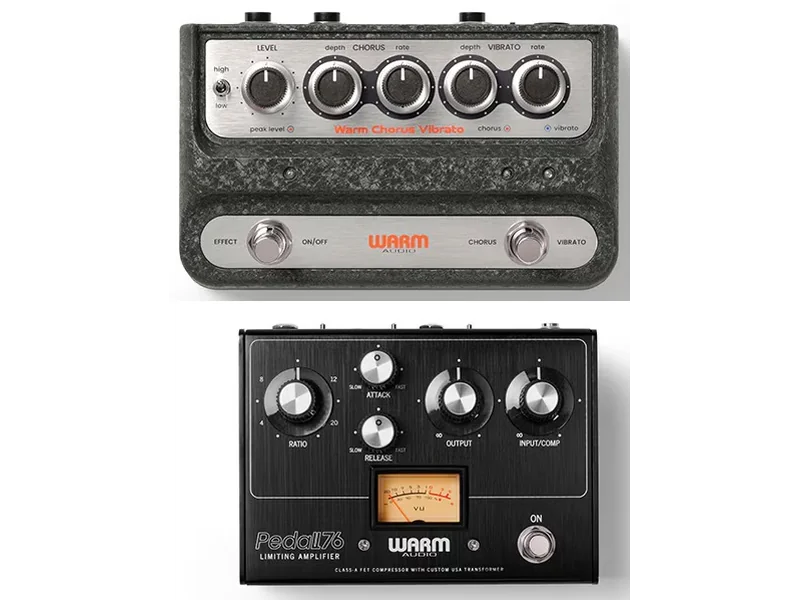
WA-C1