Recommended Pedals
The essential Overdrive pedals to know about
Boss SD-1 Super Overdrive
Legendary reliability that works with any amp. Warm, slightly colored character. The entry point that becomes permanent on professional boards.
Boss BD-2 Blues Driver
Flat EQ response preserves amp character. Adds harmonic richness without coloring. The benchmark for clean headroom and transparency.
Ibanez Tube Screamer (TS9 or TS9DX)
Legendary midrange peak cuts through any mix. Stacks beautifully with distortion. The most copied overdrive circuit ever.
Keeley Noble Screamer
Responds to your playing dynamics like a real amp. Touch-sensitive, musically interactive, professional-quality tone.
Maxon OD808
Smooth, compressed saturation that glues rigs together. Stacks beautifully with other drives. Pro standard for high-gain setups.
Every great guitarist reaches a moment where clean tone isn't enough. Not because clean is wrong—it's the foundation of everything—but because the music demands weight, character, and presence. That's where overdrive enters the picture. It's the first dirt most players chase, and rightfully so: overdrive sits in that perfect sweet spot between tone shaping and character creation. It adds harmonic richness and sustain while preserving the essential voice of your rig. An overdrive doesn't erase who you are; it amplifies it.
Overdrive vs. Distortion: The Fundamental Difference
This is the most important distinction in understanding overdrive. Overdrive and distortion both add gain and saturation, but they do it differently.
Overdrive: Uses soft clipping. The signal gradually compresses as it reaches maximum level. Think of it as a volume knob gently limiting the peaks. Your fundamental note is preserved; the effect adds harmonic complexity and sustain.
Distortion: Uses hard clipping. The signal hits a wall and bounces off sharply. Think of it as the signal saying "no further"—it stops where it can't go. This creates aggressive, fractured harmonics.
The Result:
- Overdrive sounds like tone shaping. The effect is part of your voice.
- Distortion sounds like an effect. The effect is obviously an effect.
Practical Implication:
You can run overdrive all the time. It enhances your tone. Distortion is something you turn on and off for specific moments.
The Headroom Spectrum: When Overdrive Breaks Up
Headroom is how much clean signal the circuit can pass before it starts compressing.
Low-Headroom Overdrive
Breaks up easily, at relatively low levels.
Character: Aggressive, obviously overdriven, lots of sustain from lower volumes.
Best for: Players with loud amps wanting soft breakup at manageable volumes.
Example: Boss SD-1 in drive-heavy mode (gain around 7-8).
Medium-Headroom Overdrive
Breaks up at moderate volumes, offers headroom at lower levels.
Character: Balanced, works as both subtle enhancement and obvious overdrive.
Best for: Versatile players wanting tone shaping + aggressive options.
Example: Ibanez Tube Screamer (flexible depending on settings).
High-Headroom Overdrive
Stays remarkably clean at moderate volumes, designed to enhance more than color.
Character: Transparent, preserves amp voice, adds shimmer and sustain without obvious compression.
Best for: Players with clean amps wanting to add tone without changing character.
Example: Boss BD-2 (designed for this purpose explicitly).
The Tone Stack: EQ Architecture
Overdrive EQ shapes determine how the effect colors your tone:
Flat/Neutral EQ
No obvious EQ coloration. The overdrive adds sustain and compression without shaping frequency response.
Character: Transparent, preserves amp character, enhances rather than transforms.
Best for: Players wanting overdrive without tone coloring. Pairs well with any amp style.
Example: Boss BD-2 (flat response).
Midrange-Forward EQ
Boosts midrange frequencies (typically 1-4kHz), pushing presence forward.
Character: Cuts through dense mixes, obvious presence, sometimes described as "nasal" or "honky" if overdone.
Best for: Rhythm players in full bands, players wanting cutting tone.
Example: Ibanez Tube Screamer (pronounced midrange peak at ~720Hz).
Midrange-Scooped EQ
Reduces midrange, emphasizing bass and treble.
Character: Thick, less presence, works well for single-note sustain, can get muddy in dense mixes.
Best for: Players wanting thick, wooly tone without cutting presence.
Example: Some vintage overdrive designs.
Presence Peak
Boosts high frequencies (5-10kHz), adding shimmer and definition.
Character: Bright, obviously enhanced treble, can sound sharp if set too high.
Best for: Rhythm tones needing clarity, lead tones needing articulation.
Overdrive Types and Circuit Designs
The Tube Screamer Topology
Ibanez's legendary design, copied hundreds of times.
Character: Warm, compressed, pronounced midrange peak. The most iconic overdrive voice.
Pros:
- Legendary tone
- Stacks beautifully with distortion
- Midrange cut is unmistakable
- Relatively inexpensive
Cons:
- Less transparent (obviously colored)
- The midrange peak doesn't work for everyone
- Compression can limit responsiveness
Best for: Rhythm players, blues, classic rock, anything where that midrange matters.
Examples: Ibanez TS9, Boss OD-1, countless clones and variants.
The Boss BluesDiver Topology
Boss's transparent overdrive design.
Character: Flat, transparent, preserves amp character, adds clean sustain.
Pros:
- Maximum transparency
- Works with any amp style
- Great as subtle enhancement
- Excellent dynamic response
Cons:
- Less obviously colored (doesn't add "character")
- Doesn't cut through as aggressively as Screamer
- Requires good clean amp tone to shine
Best for: Players with good amps, anyone wanting tone enhancement over tone transformation.
Examples: Boss BD-2, Earthquaker Devices Bluesbreaker.
The Super Overdrive Topology
Boss's more aggressive variant.
Character: More compression than BluesDiver, obvious sustain, slightly warm EQ.
Pros:
- More obvious effect than BluesDiver
- Legendary reliability
- Works with any amp
- Great first overdrive pedal
Cons:
- Slightly less transparent than BluesDiver
- Not as cutting as Screamer
- Middle-ground design (does everything okay, nothing perfectly)
Best for: Players wanting obvious overdrive without tone coloring, first pedal buyers.
Examples: Boss SD-1, Boss OD-3.
The Modded Screamer
Aftermarket modifications to Tube Screamer circuits.
Character: Retains Screamer character with improvements: better dynamics, transparency, or tone options.
Pros:
- Iconic tone with modern refinements
- Better dynamic response than stock Screamer
- Maintains legendary midrange character
- Professional quality
Cons:
- More expensive than stock Screamer
- Requires finding modders
- Still not transparent like BluesDiver
Best for: Serious players wanting Screamer tone with professional-quality dynamics.
Examples: Keeley modified Screamer, JHS modified Screamer, various boutique versions.
The Boutique Approach
Modern custom designs with advanced features.
Character: Varies, but typically offers touch sensitivity, multiple modes, expression control.
Pros:
- Modern feature set
- Excellent dynamic response
- Often multiple algorithms in one pedal
- Professional quality
Cons:
- More expensive
- Complexity can be overwhelming
- Requires more tweaking
Best for: Professional players wanting maximum control and responsiveness.
Examples: Keeley Noble Screamer, JHS Bonsai, Earthquaker Devices Plumes.
Drive Stacking: The Pro Technique
Most professional heavy players don't use a single overdrive. They stack multiple drives.
The Classic Metal Stack
Setup:
- Transparent Boost (subtle enhancement) → Tube Screamer (cut-through) → High-Gain Distortion
Result: The Screamer's midrange peak prevents the distortion from becoming muddy. The layering creates complexity and responsiveness.
The Blues Stack
Setup:
- Subtle Overdrive (medium gain) → Slightly More Aggressive Overdrive (higher gain)
Result: First overdrive adds harmonic color. Second overdrive adds sustain without muddiness. Combined they sound richer and more responsive than either alone.
The Transparent Stack
Setup:
- Transparent Boost → Transparent Overdrive → Transparent Boost
Result: Maximum transparency with layered sustain. Each stage adds smooth compression without coloring tone.
Stacking Theory: Why Multiple Overdrives Work
When you stack overdrives:
- Each stage adds compression, making the tone tighter and more controlled
- Each stage adds harmonic complexity, creating richer, more musical tone
- Impedance interactions create interesting tonal variations, adding movement
- Playing dynamics become more obvious, because each stage responds to input
Result: Tone that's tighter, richer, and more responsive than any single overdrive.
Overdrive for Different Amps: Context Matters
With Clean-Headroom Amp (Fender, etc.)
Your amp doesn't break up naturally. Overdrive does most of the work.
Setup:
- Use higher-gain overdrives (6-7/10 minimum)
- Tone color matters (choose Screamer for cut, BluesDiver for transparency)
- Compression matters (overdrives provide the sustain)
Best choice: Tube Screamer for rhythm (cut), BluesDiver for lead (transparency).
With Natural-Breakup Amp (Marshall, Vox, etc.)
Your amp breaks up when pushed. Overdrive works with the amp's natural tone.
Setup:
- Use moderate-gain overdrives (4-6/10)
- Amp volume becomes part of your gain structure
- Tone coloring from pedal and amp interact
Best choice: SuperDrive or BluesDiver (let amp's breakup shine through).
With High-Headroom Boutique Amp (Friedman, etc.)
Your amp has divided inputs and dual channels. Overdrive enhances, not drives.
Setup:
- Use transparent overdrives (BluesDiver type)
- Amp's clean headroom lets overdrive shine
- Dynamics matter more than gain
Best choice: Transparent overdrive emphasizing dynamics and touch response.
Touch Sensitivity and Dynamics: The Pro Secret
The best overdrives respond to your playing dynamics:
- Hard pick attack = obvious saturation
- Soft touch = relatively clean tone
- Volume knob variation = from clean to overdriven within one note
Why it matters: This responsiveness makes you feel like you're playing an amp, not an effect.
Poor dynamics indicate:
- Gain set too high (everything is equally clipped)
- Compressor before overdrive crushing dynamics
- Cheap overdrive design not responding properly
Pro approach: Set gain at 50-70% so you have room for dynamics. This leaves headroom for your playing to control the effect.
Overdrive in Your Signal Chain: Critical Placement
Optimal Order
- Guitar → Tuner
- OVERDRIVE GOES HERE (directly after tuner)
- Modulation (Chorus, Flanger)
- Delay
- Reverb
Why first? Overdrive should receive a pure signal from your guitar. Compression or boosts before overdrive affect how the overdrive responds to your dynamics.
Exception: Boost Before Overdrive
Some players use a clean boost before overdrive to:
- Push the overdrive harder
- Maintain volume when overdrive is on
- Control the overdrive's input level
Setup: Boost (subtle, adds volume) → Overdrive (responds to boosted signal).
Exception: Overdrive After Compression
Compression before overdrive evens out dynamics, making the overdrive more consistent:
- Less dynamic variation
- More predictable sustain
- Better for rhythm playing
Setup: Compressor (light compression) → Overdrive (consistent input).
Famous Overdrive Tones: Pro Reference
Mark Knopfler - Transparent Blues Tone
Knopfler uses transparent overdrive on a natural-breakup Strat and tube amp. The overdrive enhances rather than transforms.
Lesson: Transparent overdrive on a good amp creates magic.
Stevie Ray Vaughan - Screamer + Amp Breakup
Vaughan used Tube Screamer stacked with his amp's natural breakup. The Screamer's midrange cut prevents muddiness.
Lesson: Midrange-forward overdrive prevents mud in stacking situations.
Jeff Beck - Responsive Dynamics
Beck uses overdrive that responds dramatically to touch. Every variation in picking creates tonal variation.
Lesson: Dynamic responsiveness is more important than gain amount.
2026 Overdrive Landscape
Tube Screamer Clones Everywhere
The Screamer topology dominates because it works. Countless variations exist, but the original remains standard.
Boss Remains Affordable Standard
BD-2 and SD-1 remain the gold standard for affordability and reliability. No real competition.
Boutique Responsiveness Improving
Modern boutique designs (Keeley, JHS, Earthquaker) offer touch sensitivity and multiple modes that standard designs can't match.
Digital Modeling Offering New Possibilities
Modeling platforms offer morphing overdrives that change character as you play. Not available in hardware.
Always-On Philosophy Growing
More pros keeping overdrive on all the time (light settings) rather than switching on/off. Overdrive as tone enhancement, not effect.
Common Overdrive Mistakes
Mistake 1: Overdrive After Distortion
This destroys responsiveness. Overdrive should come before distortion to maintain touch sensitivity.
Mistake 2: Gain Set Too High
More gain sounds bigger but loses dynamics. Most pros use 50-70% gain, leaving room for playing control.
Mistake 3: Expecting All Overdrives to Sound the Same
Tube Screamer sounds completely different from BluesDiver. Choose based on your amp and style, not generic "overdrive" assumptions.
Mistake 4: Stacking Without Considering Impedance
Not all overdrives stack well. Some combinations cancel; others sing. Experimentation is mandatory.
Mistake 5: Using Overdrive as Distortion
Overdrive with extreme gain isn't distortion—it's overstrained overdrive. If you need distortion, use distortion.
Mistake 6: Ignoring Clean Tone Quality
Transparent overdrives only shine with good clean tone. If your amp doesn't have good clean tone, choose colored overdrives instead.
Troubleshooting Overdrive Issues
Problem: Tone Is Muddy or Indistinct
Solution: Increase treble (tone control). Try Tube Screamer type (midrange cut). Or reduce overdrive gain.
Problem: Overdrive Sounds Thin or Weak
Solution: Increase gain. Lower the treble (tone) control. Or try different overdrive type.
Problem: Overdrive Doesn't Respond to Playing Dynamics
Solution: Lower the gain (leaving headroom). Remove compressor before overdrive. Or try different overdrive with better dynamic response.
Problem: Overdrive and Distortion Don't Stack Well
Solution: Try different overdrive type. Place overdrive before distortion (if not already). Experiment with gain settings.
Problem: Overdrive Kills Sustain When Stacked
Solution: This means the second pedal is compressing too much. Lower its gain. Or try different second pedal.
The Overdrive Philosophy
Overdrive is the gateway effect. It's where clean tone becomes character. It's where you learn that playing dynamics matter. It's the effect that teaches you that technology should enhance your playing, not replace it.
The best overdrive is the one that makes you want to play more, that responds to your touch like a real instrument, that enhances who you are without trying to transform you.
Every great player you admire started with an overdrive. Get one that speaks to you, learn it deeply, and understand that the magic isn't in the pedal—it's in what you do with it.
Live Overdrive Price Index
UK & European retailers • Updated daily
| Pedal | Style | Country | Price |
|---|---|---|---|
| Analogman Prince of Tone | Bluesbreaker-style | USA | — |
| Barber Electronics Gain Changer | Low-gain | USA | — |
| Behringer Zentara Overdrive | American | China | €69 |
| Boss BD-2 Blues Driver | American | Japan | €104 |
| Boss JB-2 Overdrive | Bluesbreaker-style | Japan | €94 |
| Boss OD-3 Overdrive | American | Japan | €110 |
| Boss OS-2 Overdrive/Distortion | — | Japan | €102 |
| Boss SD-1 Super Overdrive | Transparent | Japan | €69 |
| Chase Bliss Brothers AM | Transparent | USA | — |
| DigiTech DOD Badder Monkey | Medium-gain | USA | €149 |
| DigiTech DOD Overdrive Preamp 250-X | Medium-gain | USA | €119 |
| EarthQuaker Devices Blumes | Tube Screamer-style | USA | — |
| EarthQuaker Devices Plumes | Tube Screamer-style | USA | €129 |
| EarthQuaker Devices Special Cranker | Transparent | USA | — |
| Electro-Harmonix East River Drive | Tube Screamer-style | USA | €65 |
| Electro-Harmonix Glove Overdrive | Transparent | USA | — |
| Electro-Harmonix Soul Food | Transparent | USA | €79 |
| Fulltone OCD | High-gain | USA | €187 |
| Greer Amps Lightspeed | Transparent | USA | €279 |
| Greer Amps Soma '63 | Tweed | USA | €279 |
| Greer Amps Southland | Medium-gain | USA | €279 |
| Hudson Electronics Broadcast | Medium-gain | UK | €269 |
| Ibanez Ibanez TS9 | Mid-boost | Japan | €119 -52% |
| Ibanez TS808 Tube Screamer | Mid-boost | Japan | €187 |
| Ibanez TS Mini | Mid-boost | Japan | €68 |
| JHS Bonsai Overdrive | Tube Screamer-style | USA | €99 |
| JHS Moonshine v2 | Tube Screamer-style | USA | €207 |
| JHS Morning Glory V4 | Transparent | USA | €207 |
| JHS Notaklön DIY Kit | Klon-style | USA | €99 |
| J. Rockett Archer Ikon | Klon-style | USA | €197 |
| Keeley D&M Drive | Transparent | USA | €89 |
| Keeley Noble Screamer | Tube Screamer-style | USA | €89 |
| Lichtlaerm Audio Aquaria | Klon-style | Germany | — |
| Maxon OD808 | Mid-boost | Japan | €149 |
| Mooer Blues Mood | American | China | €66 |
| MXR Duke of Tone | Transparent | USA | €152 |
| MXR Sugar Drive | Transparent | USA | €132 -5% |
| MXR Timmy | Timmy-style | USA | €149 |
| Mythos Pedals Herculean V2 | American | USA | — |
| Mythos Pedals Mjolnir | Klon-style | USA | — |
| Orange Getaway Driver | British | China | €155 |
| Strymon Fairfax | Transparent | USA | — |
| Strymon Riverside | Medium-gain | USA | €329 |
| Strymon Sunset | Medium-gain | USA | — |
| TC Electronic AmpWorx DC30 | Vox | Denmark | €99 |
| TC Electronic Cinders Overdrive | Transparent | Denmark | — |
| TC Electronic El Cambo Overdrive | Tube Screamer-style | Denmark | €29 |
| TC Electronic MojoMojo | High-gain | Denmark | €47 |
| TC Electronic Tube Pilot Overdrive | Tweed | Denmark | €55 |
| TC Electronic Zeus Drive | High-gain | Denmark | €32 |
| Tone City King Of Blues V2 | Klon-style | China | €82 |
| Tone City Nobleman | ODR-style | China | €49 |
| T-Rex Fat Shuga | American | Denmark | €99 |
| T-Rex Moller 2 | Transparent | Denmark | — |
| T-Rex Twinblaze | American | Denmark | €295 |
| Walrus Audio 385 MKII | American | USA | €275 |
| Walrus Audio Ages | Low-gain | USA | €203 |
| Walrus Audio Fundamental Drive | Transparent | USA | — |
| Wampler PleXI Drive | Plexi | USA | €20 |
| Wampler PleXI Drive Deluxe | Plexi | USA | €229 |
| Wampler Tumnus | Klon-style | USA | €137 |
| Wampler Tumnus Deluxe | Klon-style | USA | €190 |
| Warm Audio Centavo | Transparent | USA | — |
| Warm Audio Fluff Drive | Tube Screamer-style | USA | — |
| Warm Audio ODD Box | Transparent | USA | — |
| Warm Audio Throne of Tone | Bluesbreaker-style | USA | — |
| Warm Audio Tube Squealer | Tube Screamer-style | USA | — |
| Warm Audio Warmdrive | Transparent | USA | — |
| Xotic SL Drive | Transparent | USA | €159 |
| Zvex '59 Sound | British | USA | €20 |
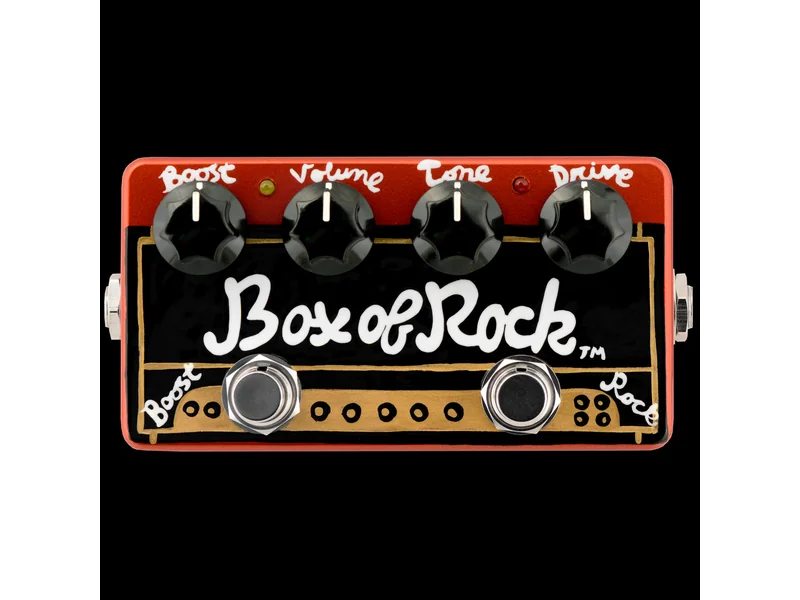
| Zvex Box of Rock Vexter | Plexi | USA | €229 |
Browse All Overdrive Pedals
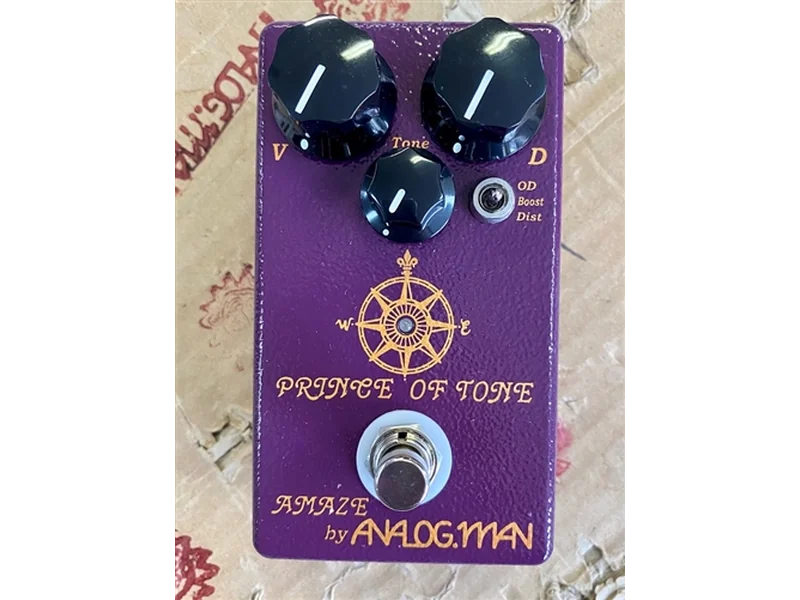
Prince of Tone
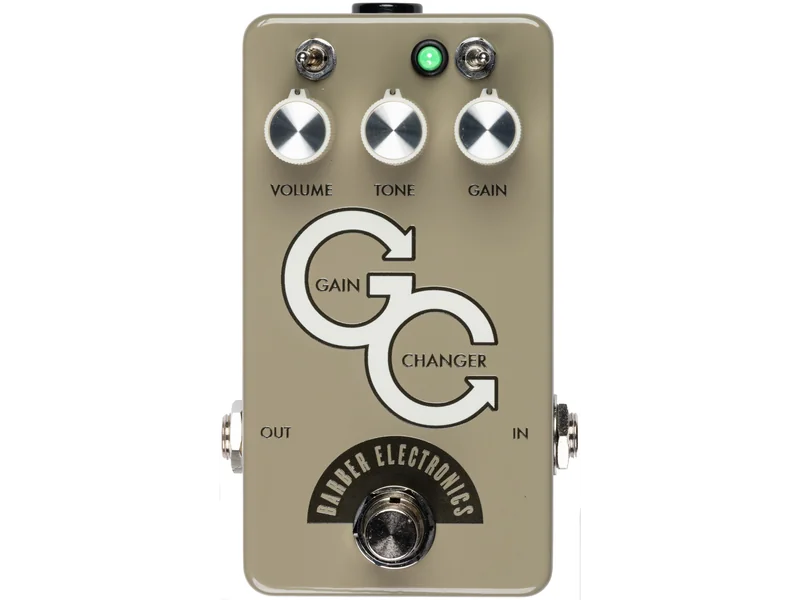
Gain Changer
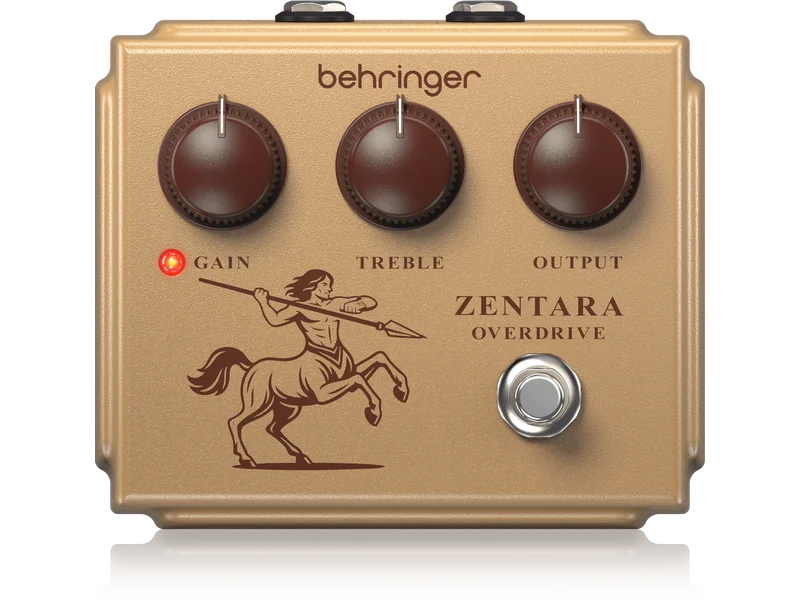
Zentara Overdrive
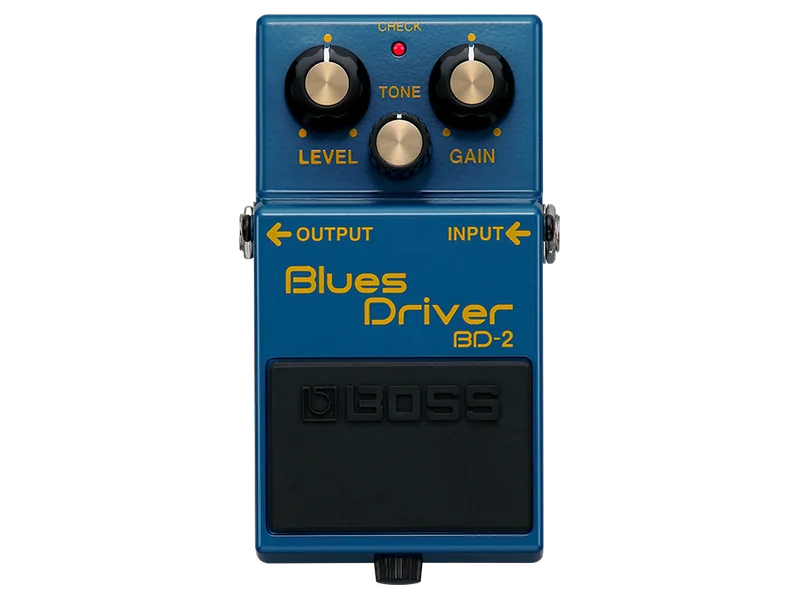
BD-2 Blues Driver
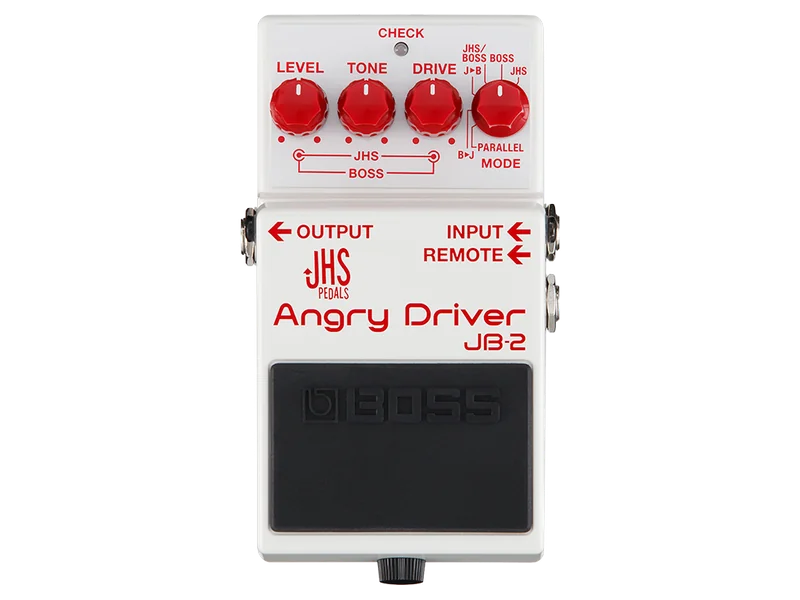
JB-2 Overdrive
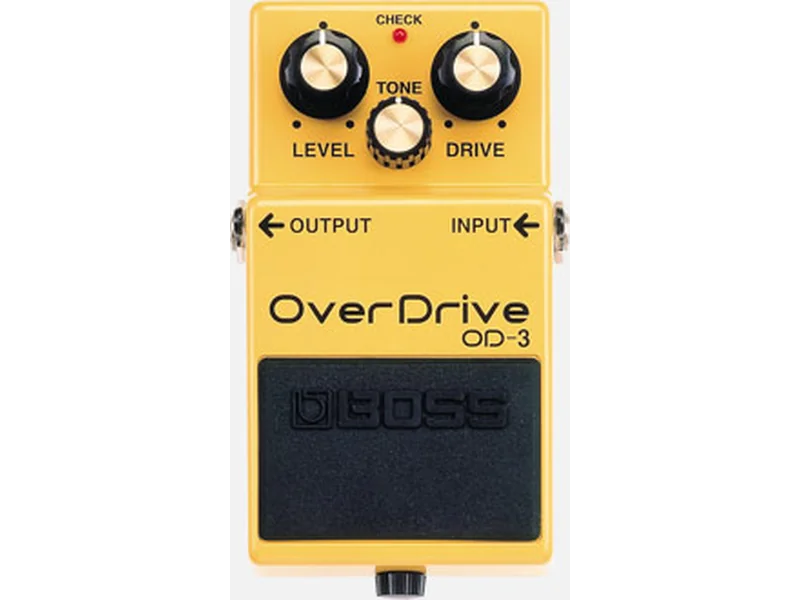
OD-3 Overdrive
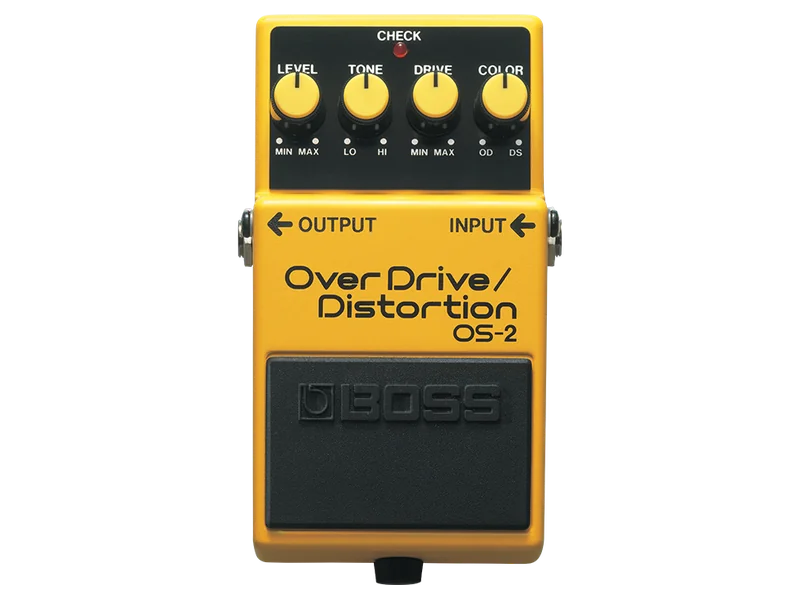
OS-2 Overdrive/Distortion
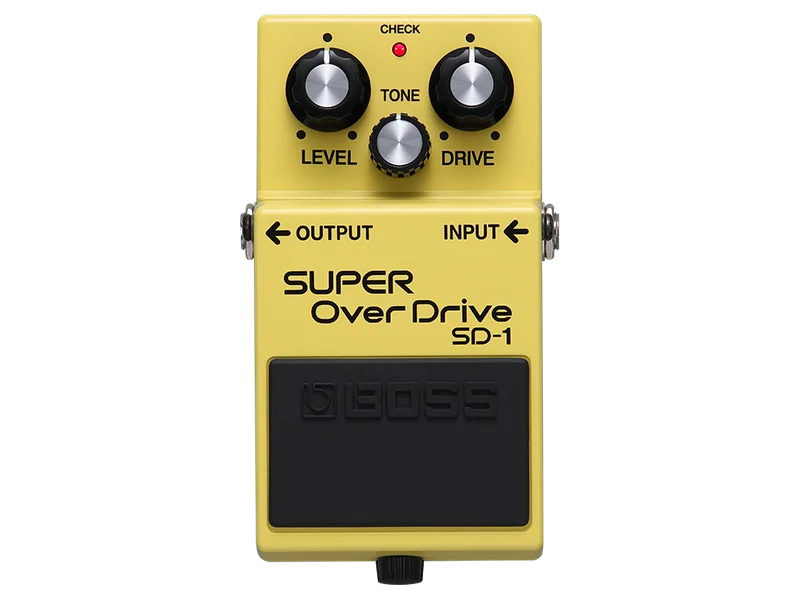
SD-1 Super Overdrive
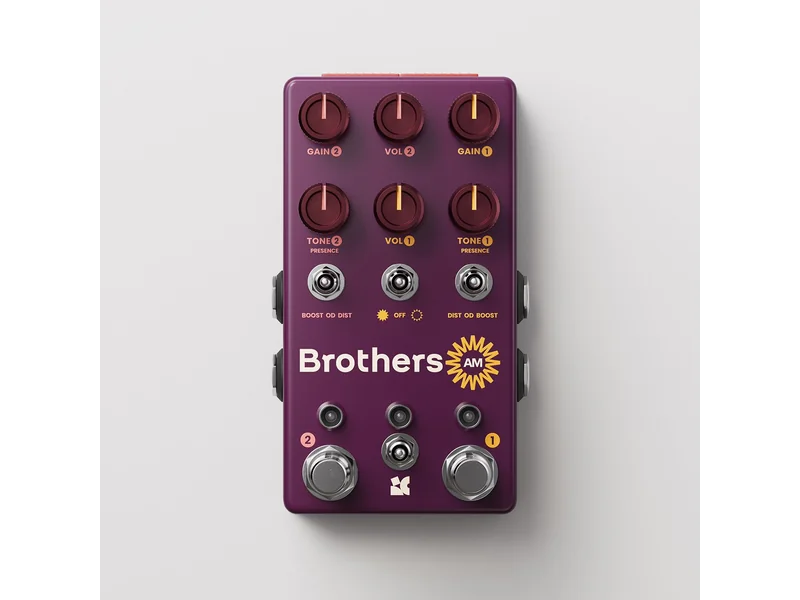
Brothers AM
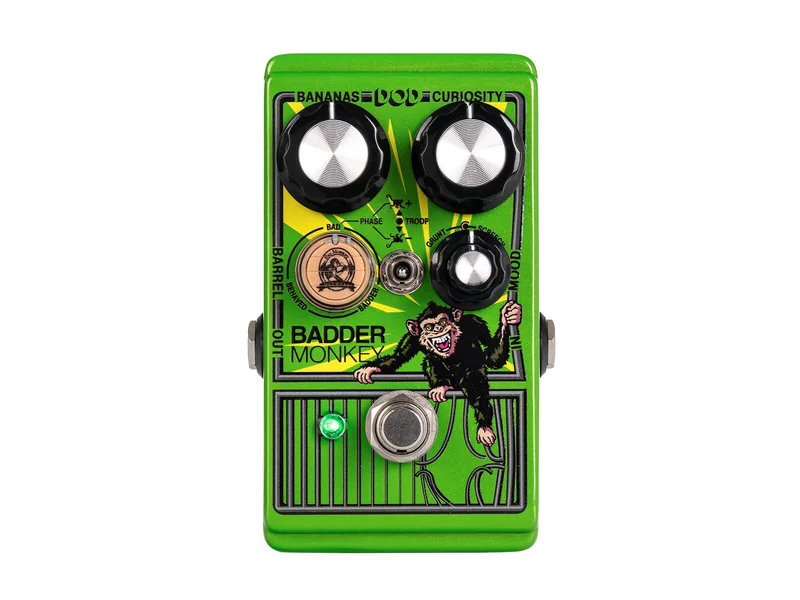
DOD Badder Monkey
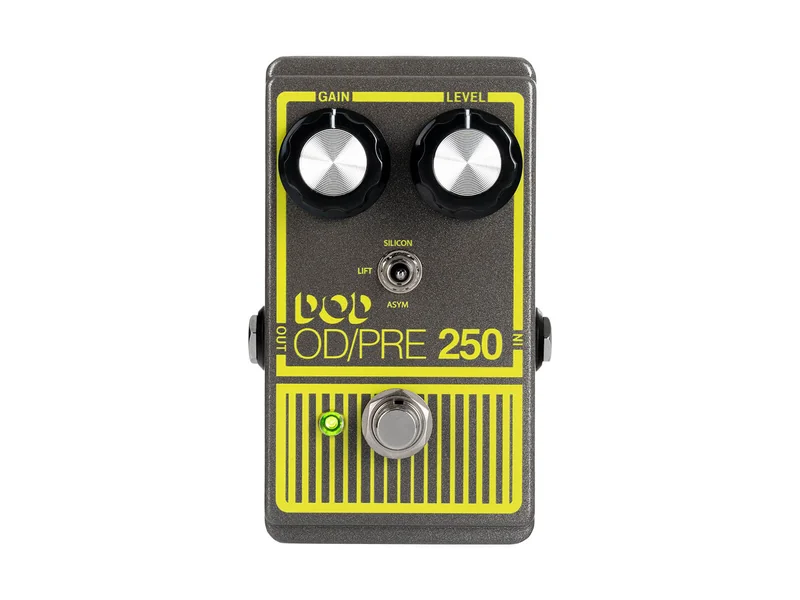
DOD Overdrive Preamp 250-X
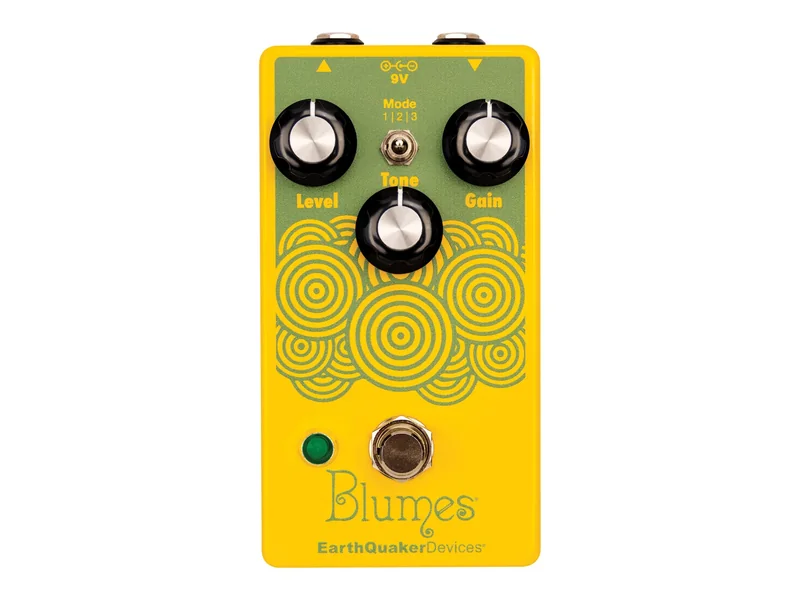
Blumes
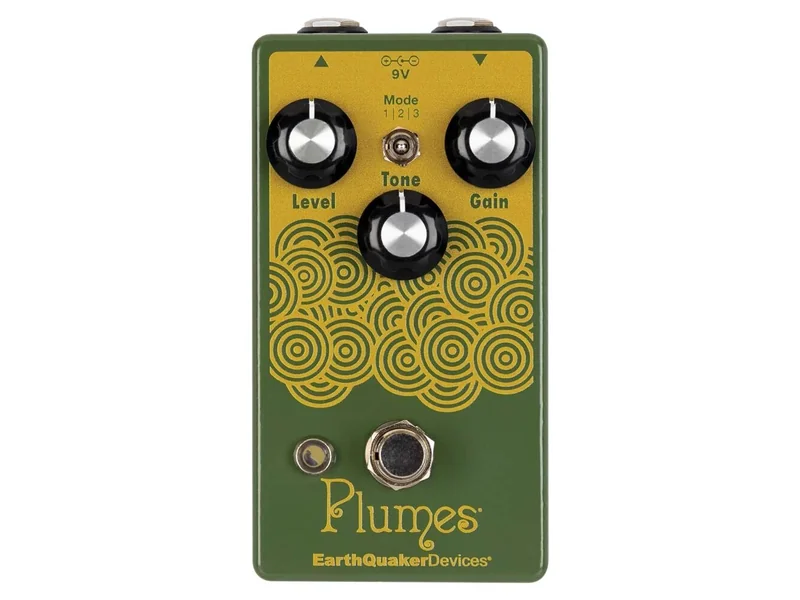
Plumes
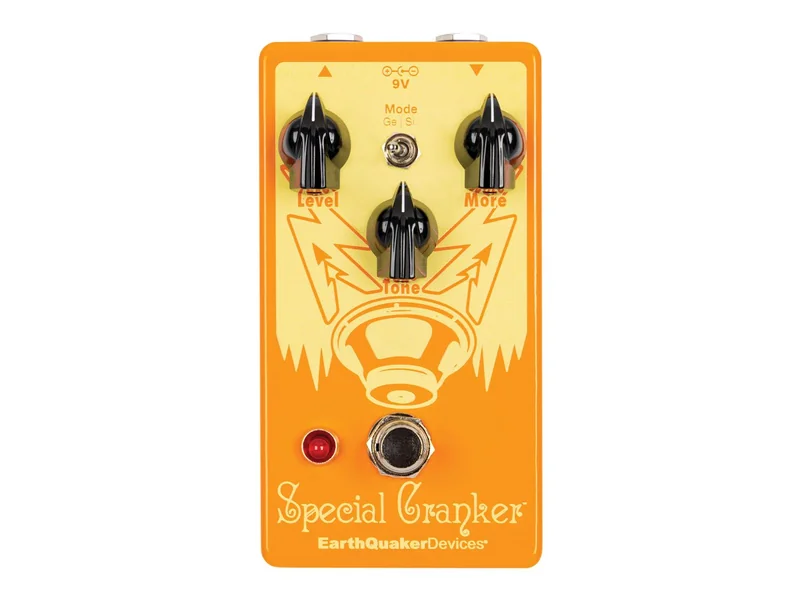
Special Cranker
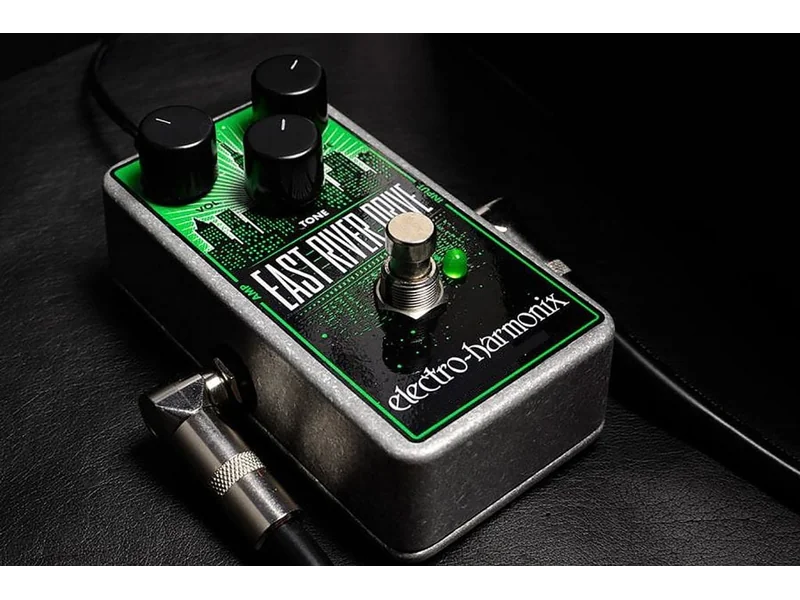
East River Drive
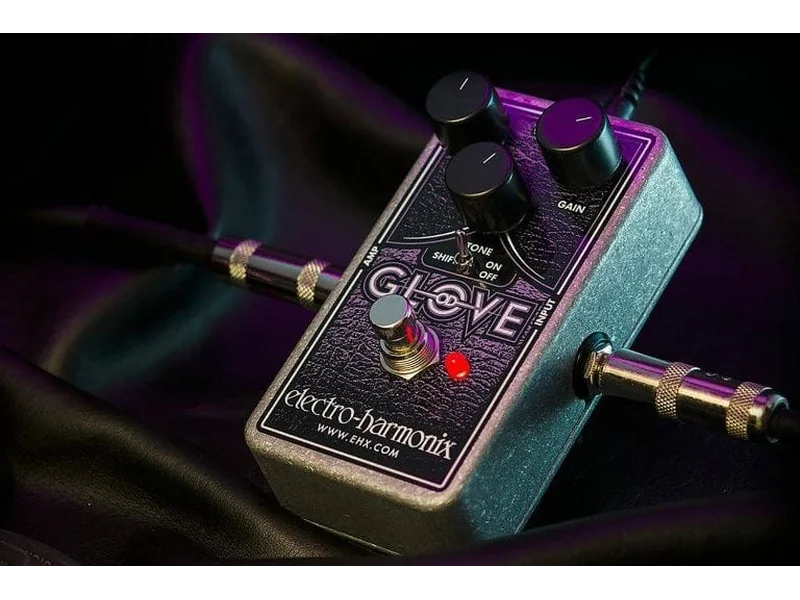
Glove Overdrive
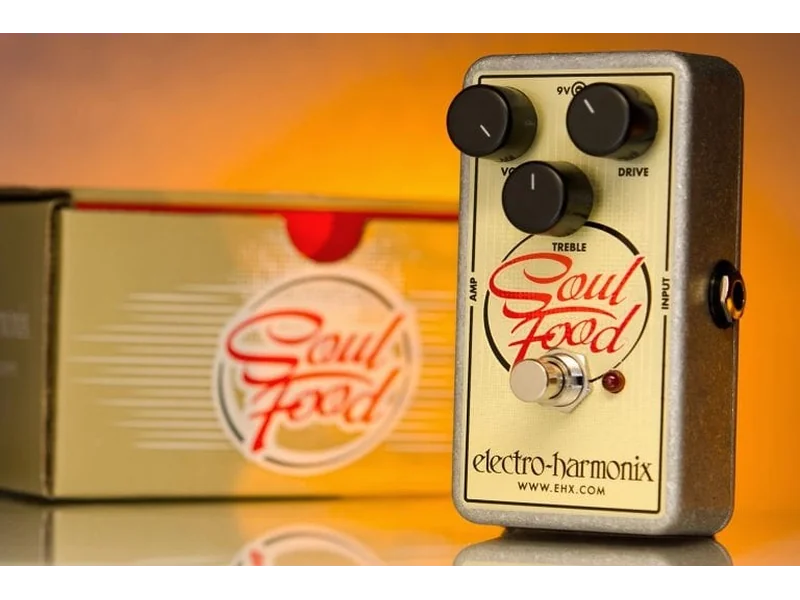
Soul Food
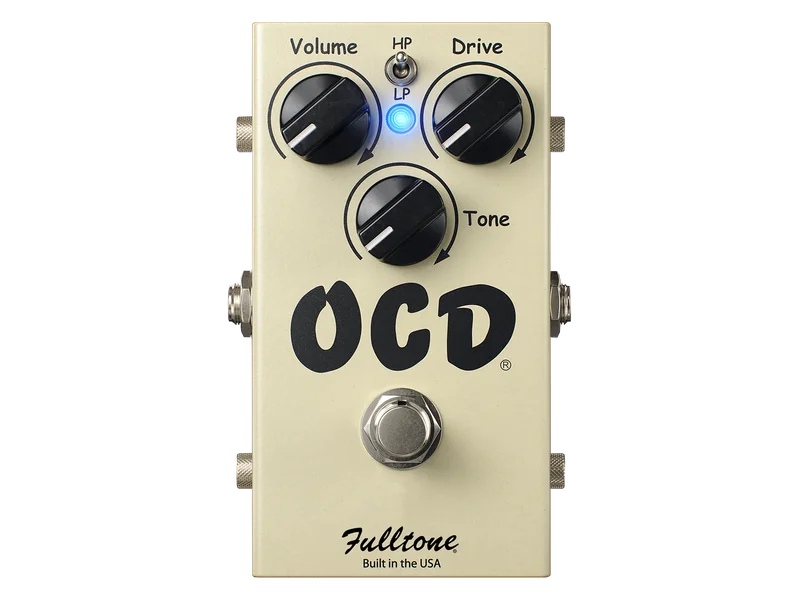
OCD
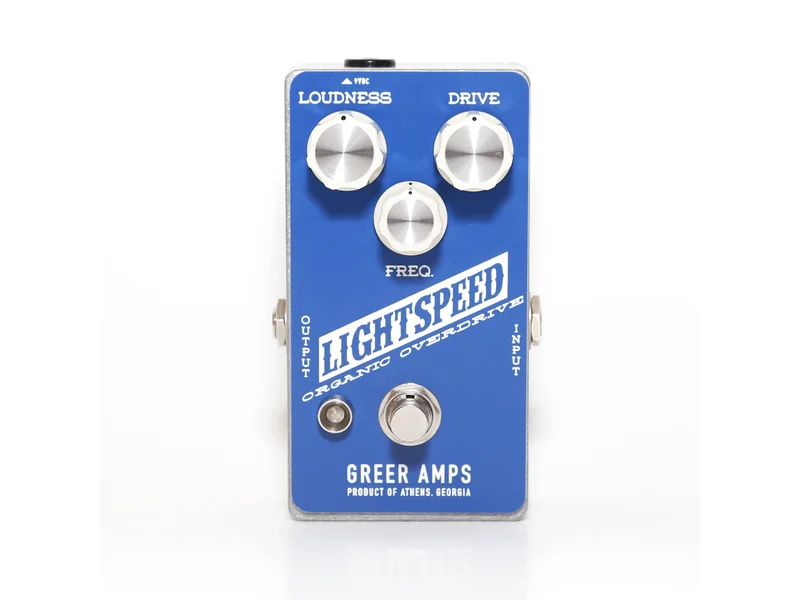
Lightspeed
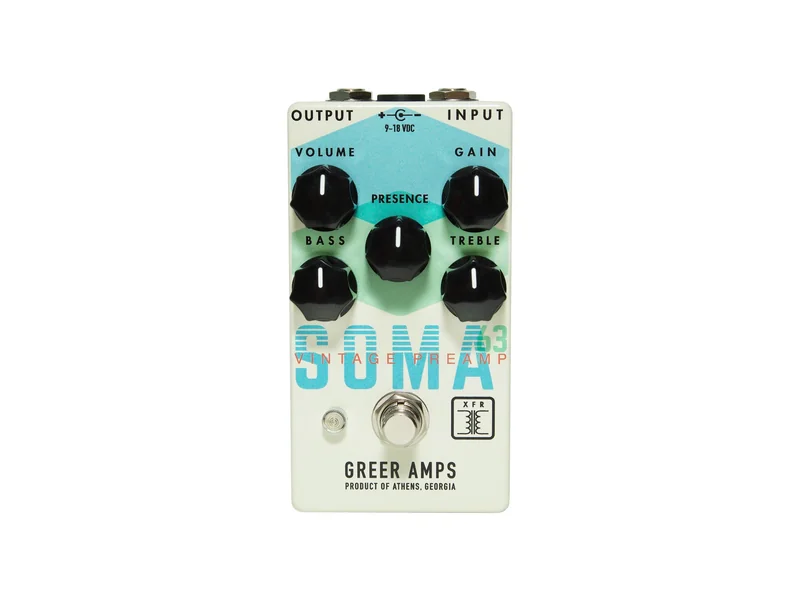
Soma '63
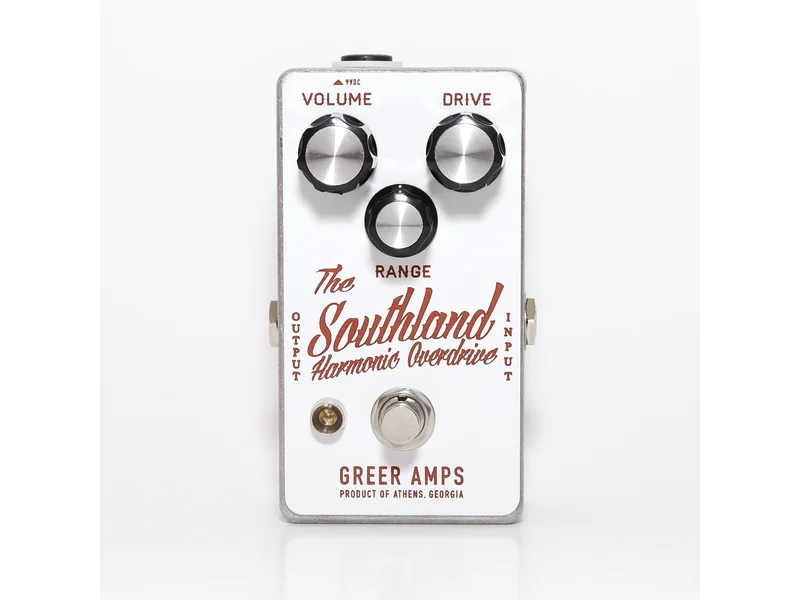
Southland
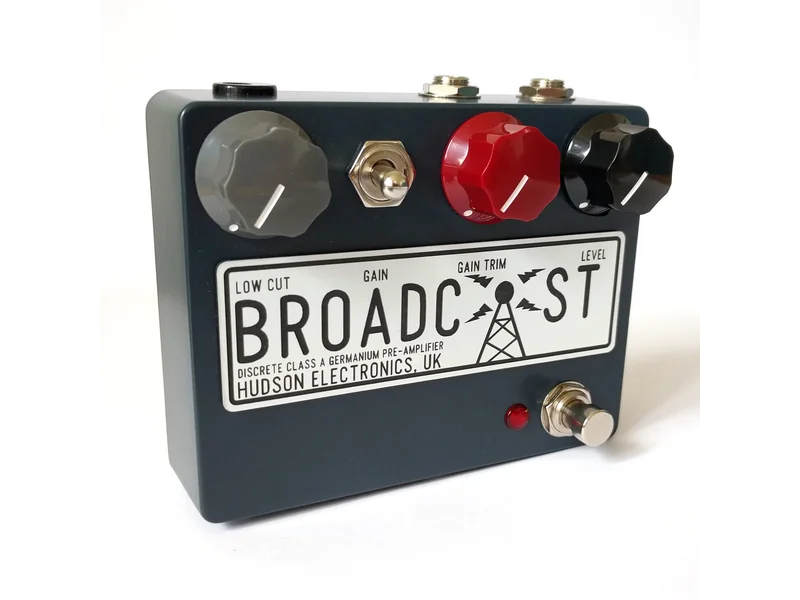
Broadcast
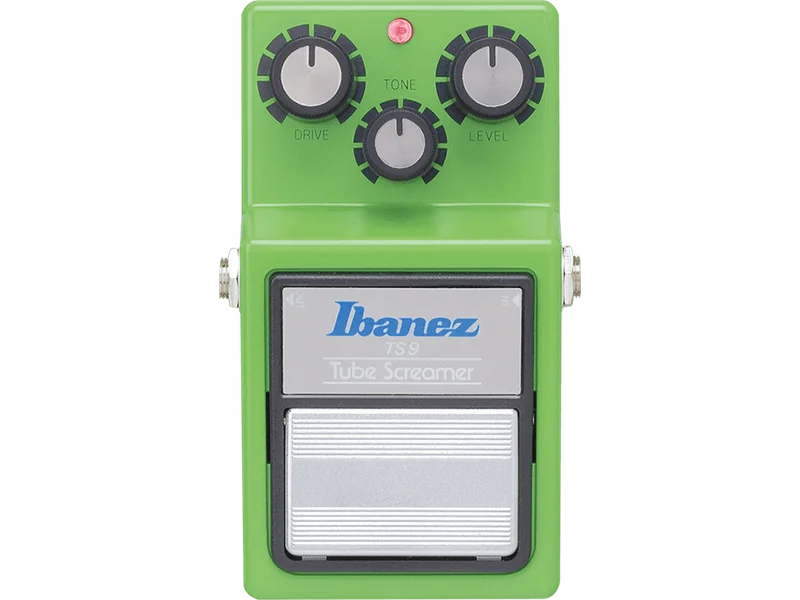
Ibanez TS9
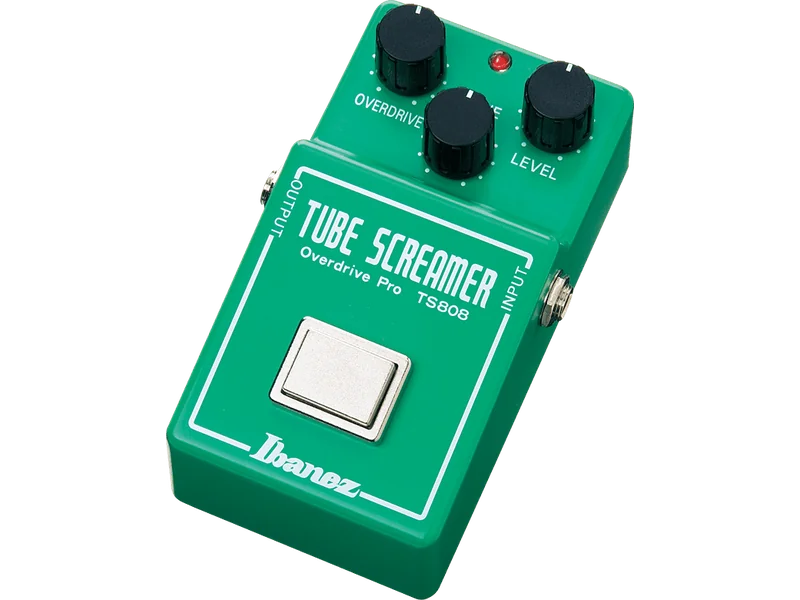
TS808 Tube Screamer
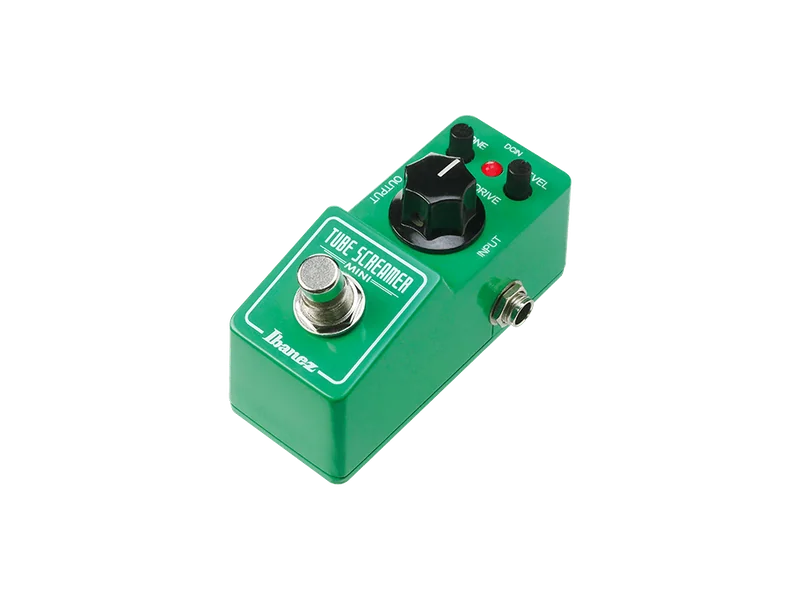
TS Mini
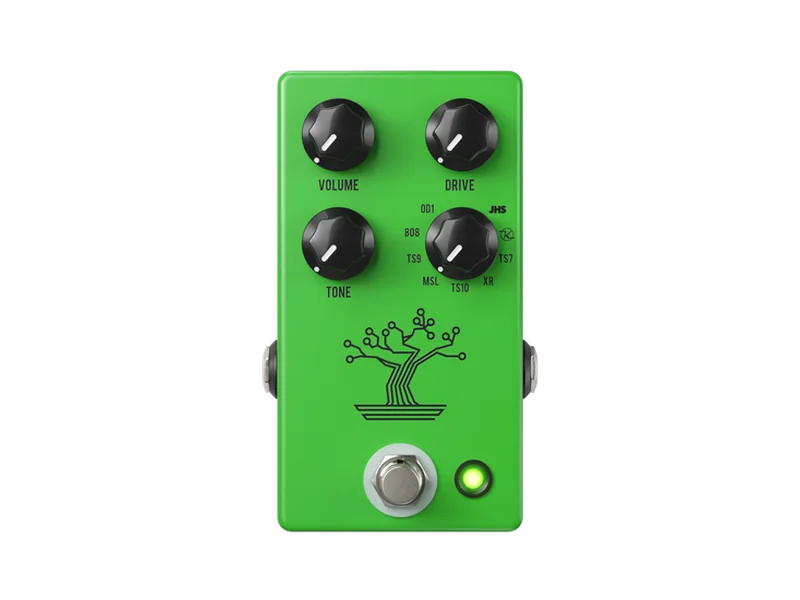
Bonsai Overdrive
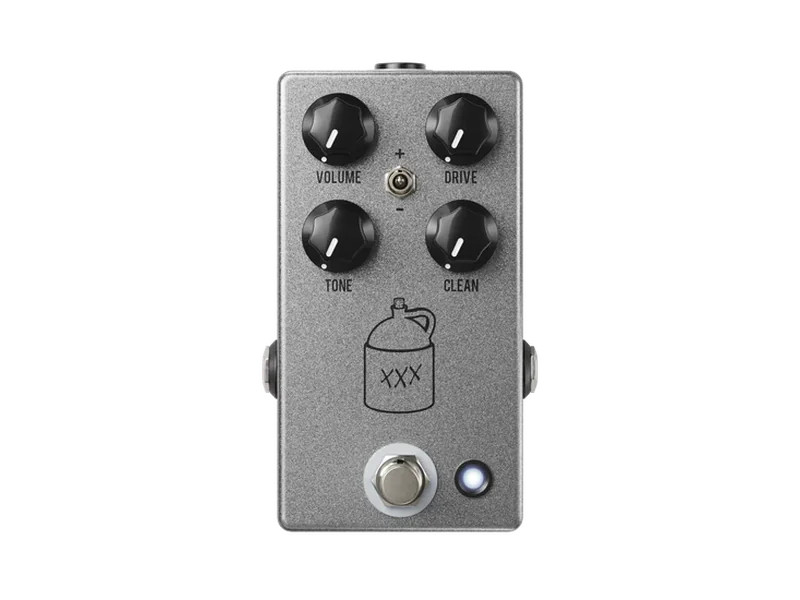
Moonshine v2
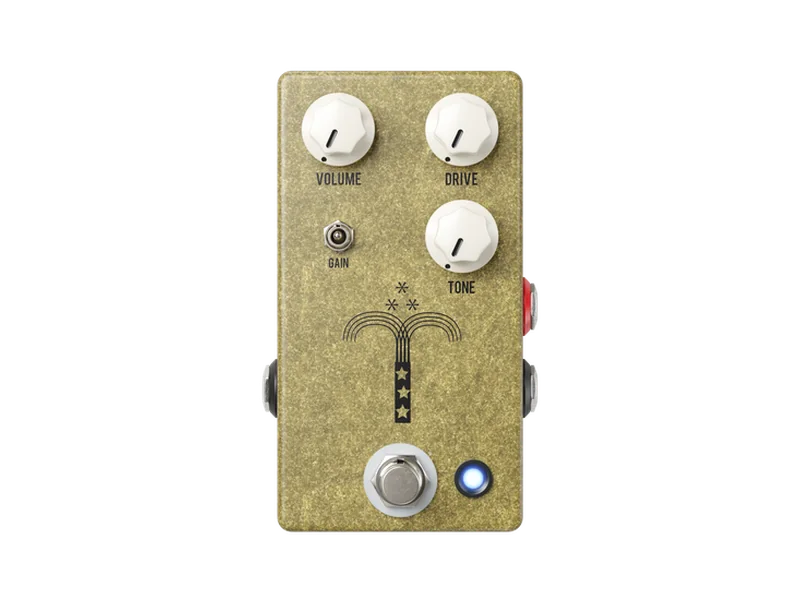
Morning Glory V4
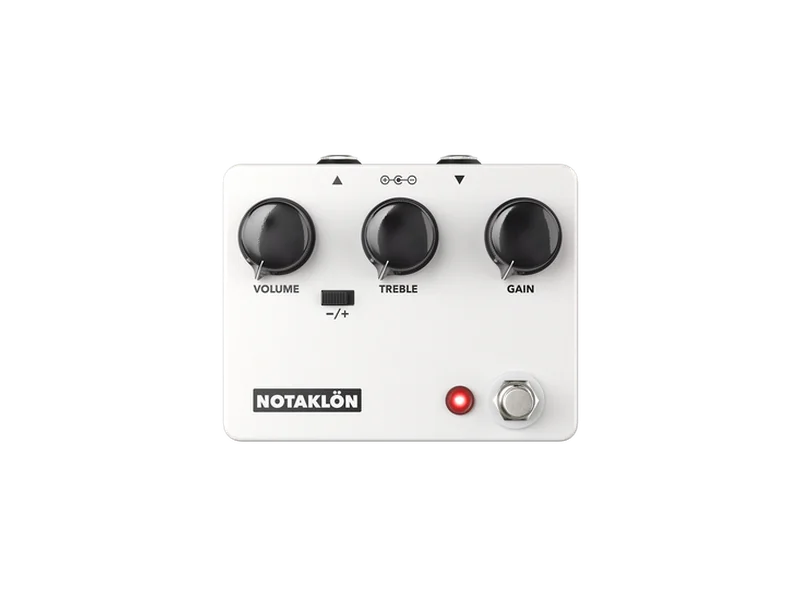
Notaklön DIY Kit
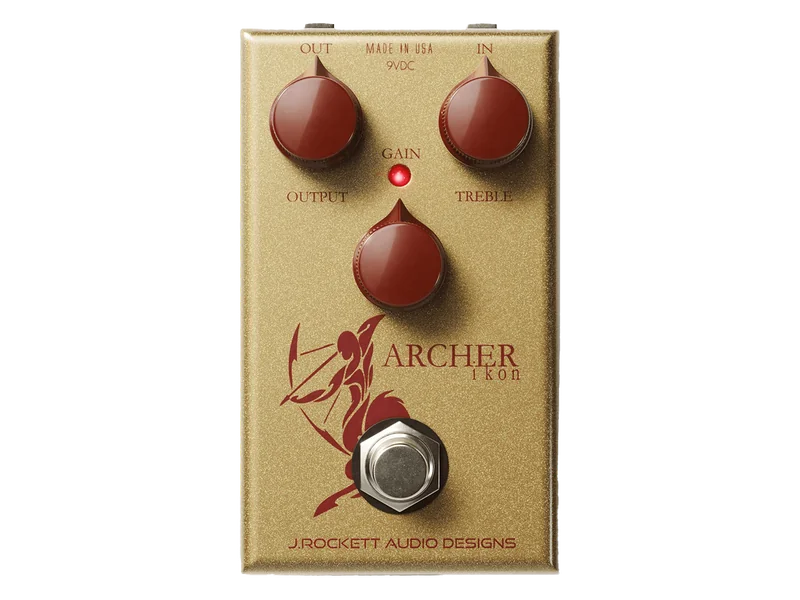
Archer Ikon
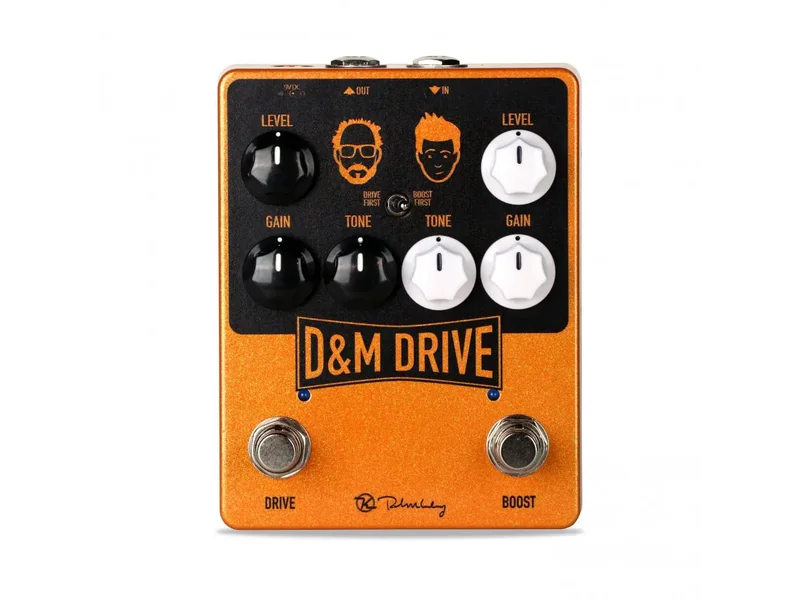
D&M Drive
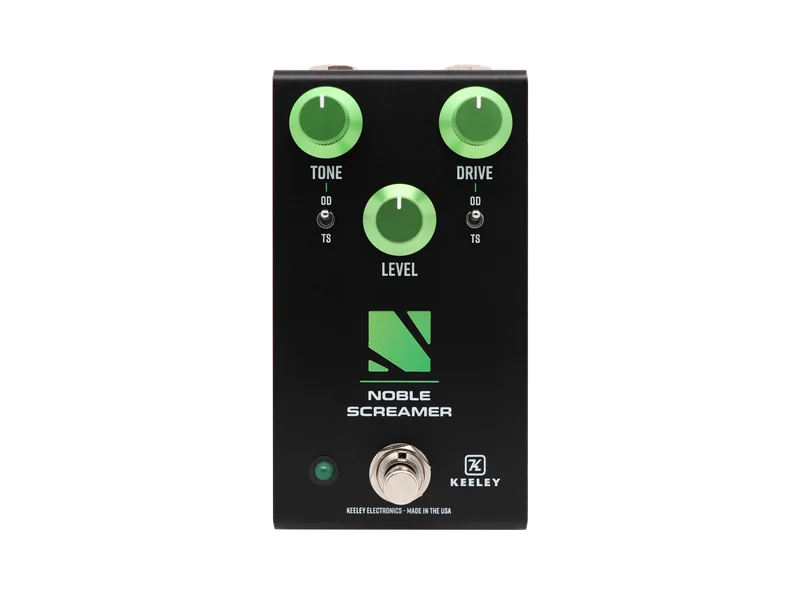
Noble Screamer
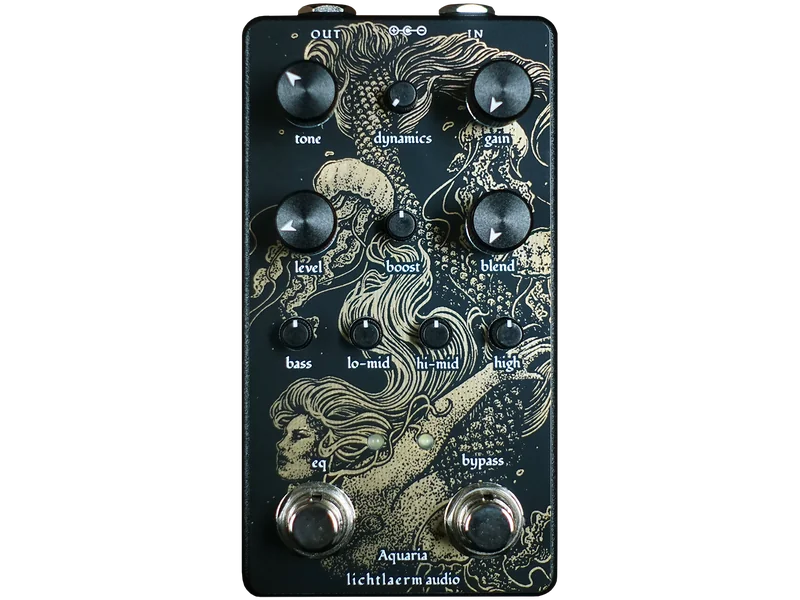
Aquaria
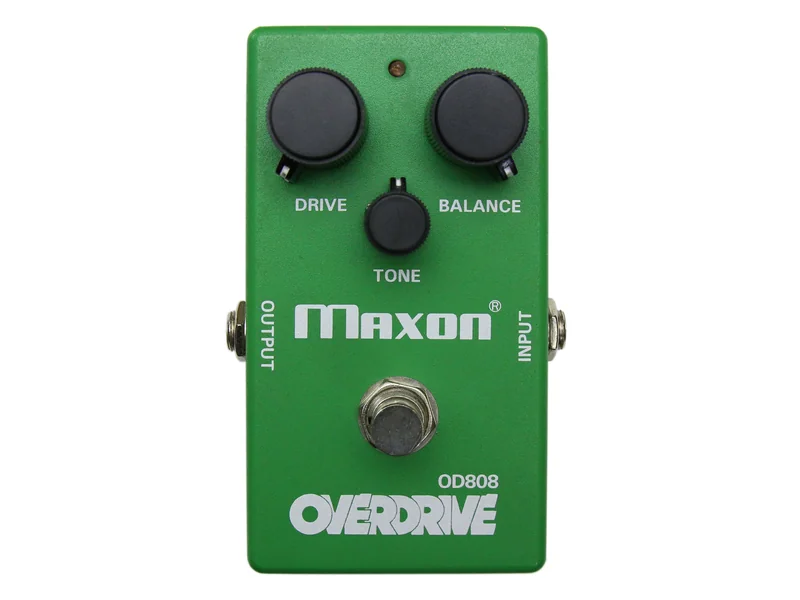
OD808
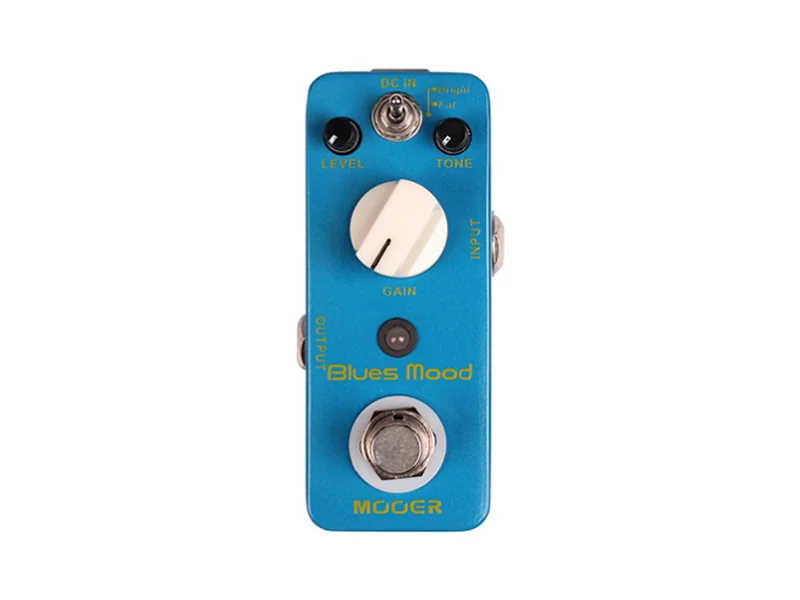
Blues Mood
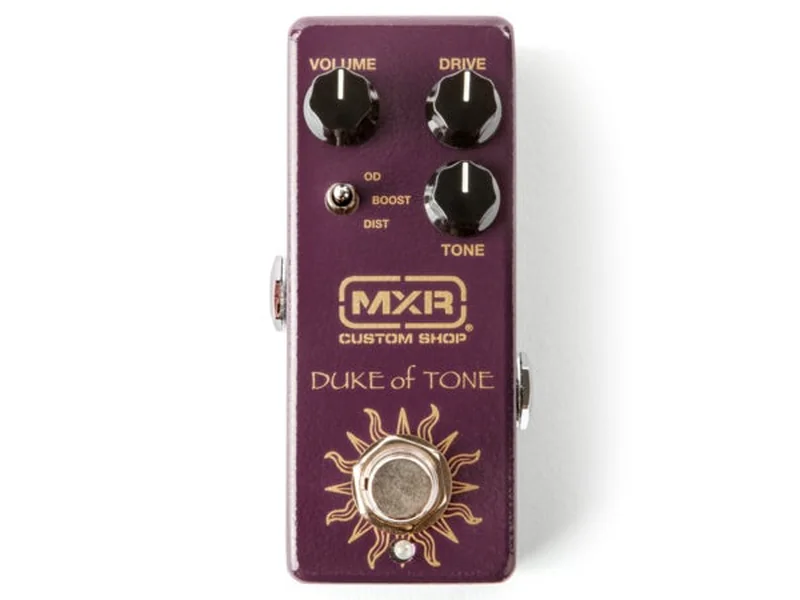
Duke of Tone
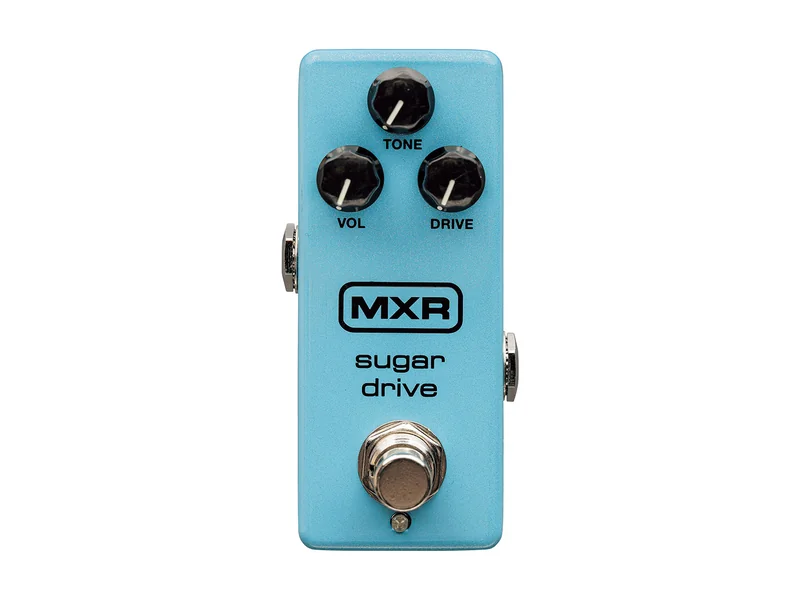
Sugar Drive
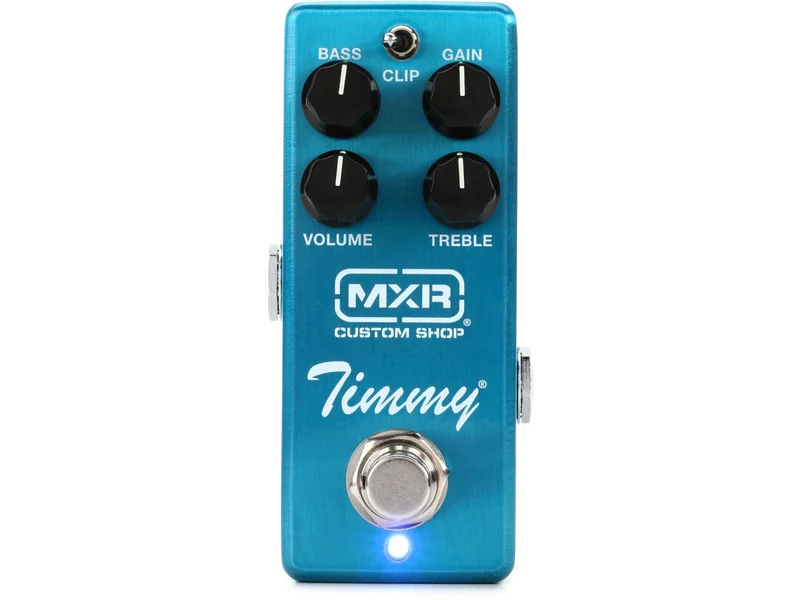
Timmy
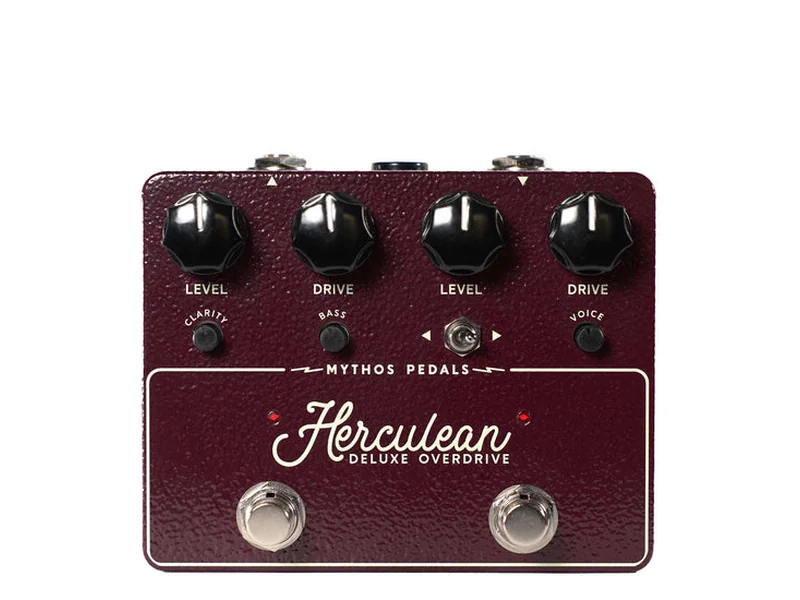
Herculean V2
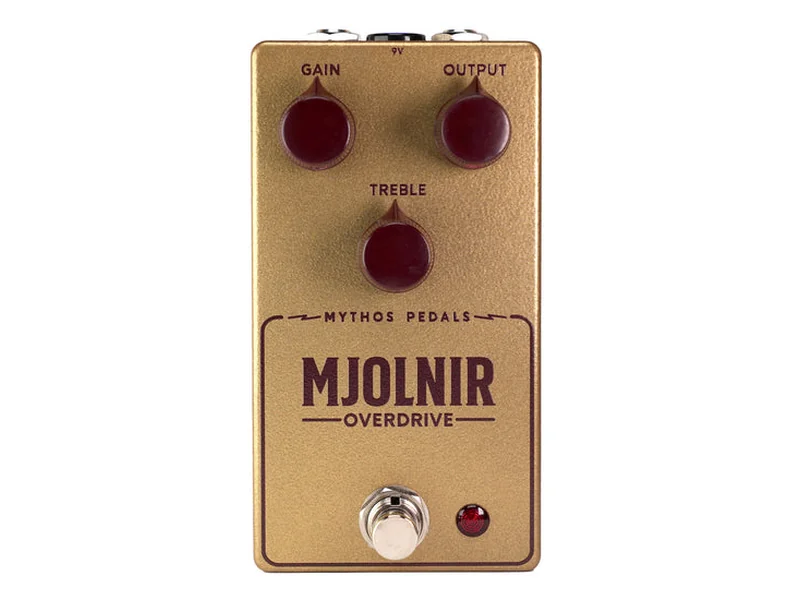
Mjolnir
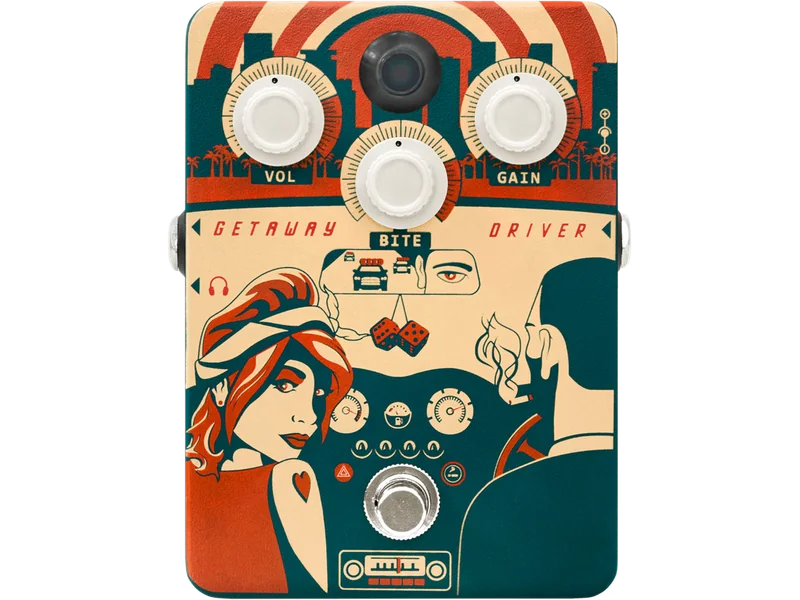
Getaway Driver
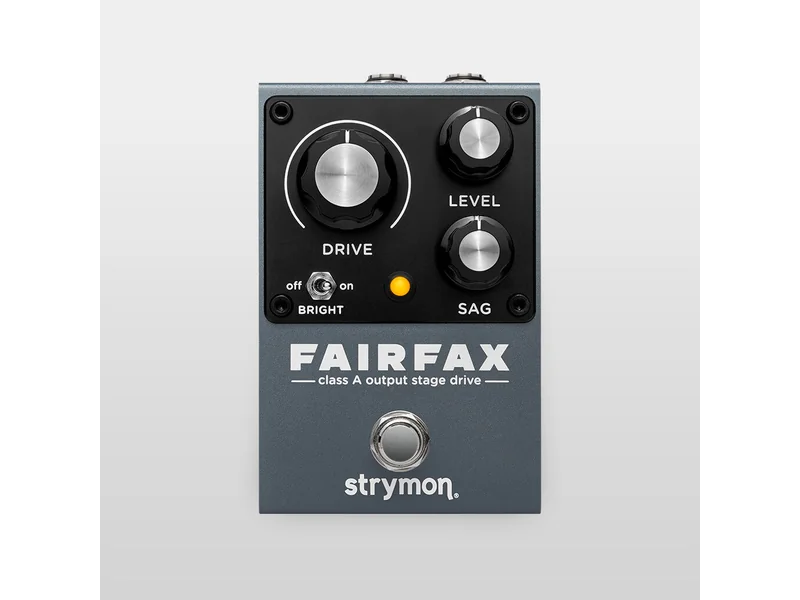
Fairfax
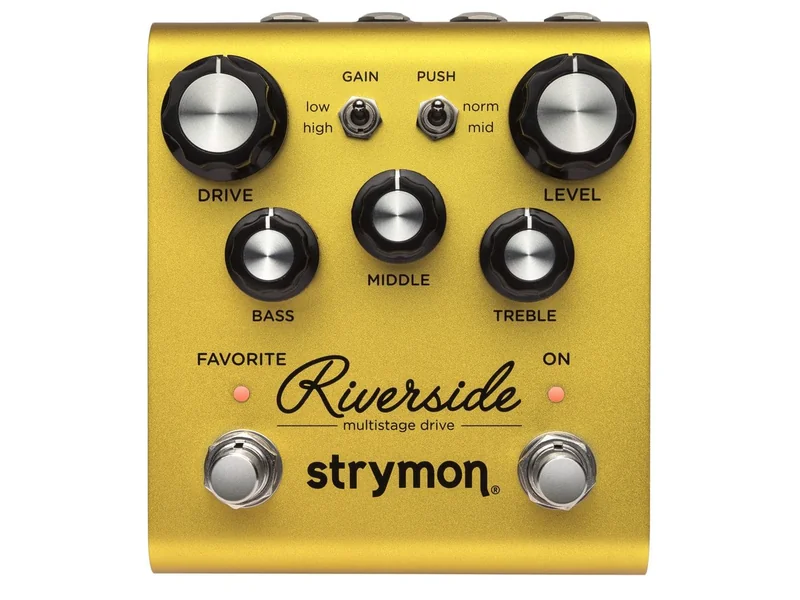
Riverside
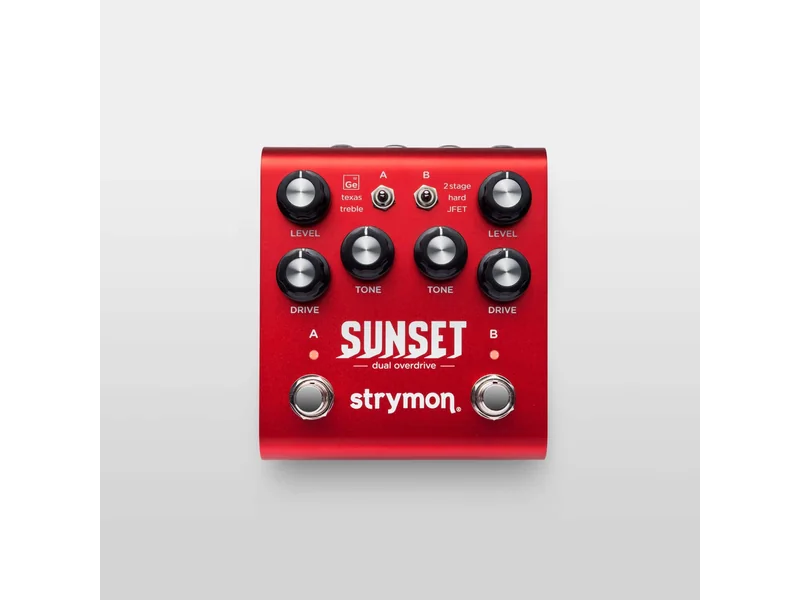
Sunset
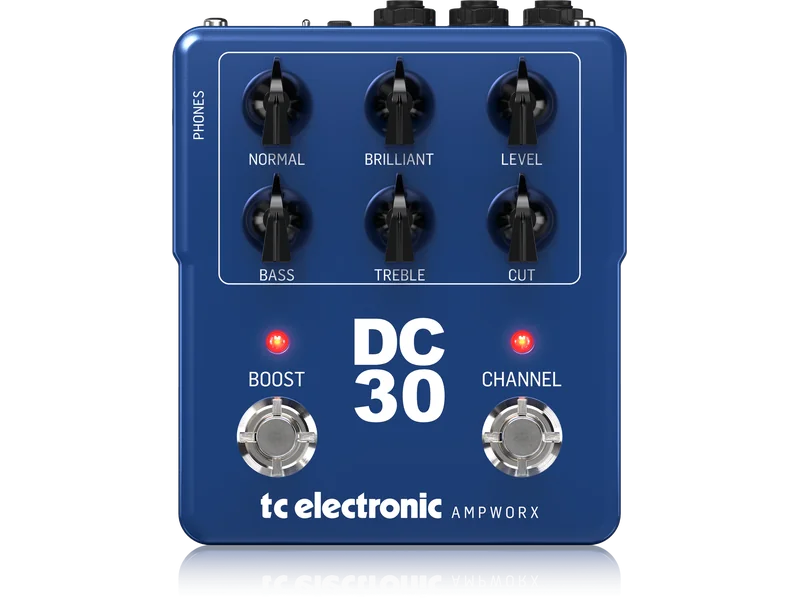
AmpWorx DC30
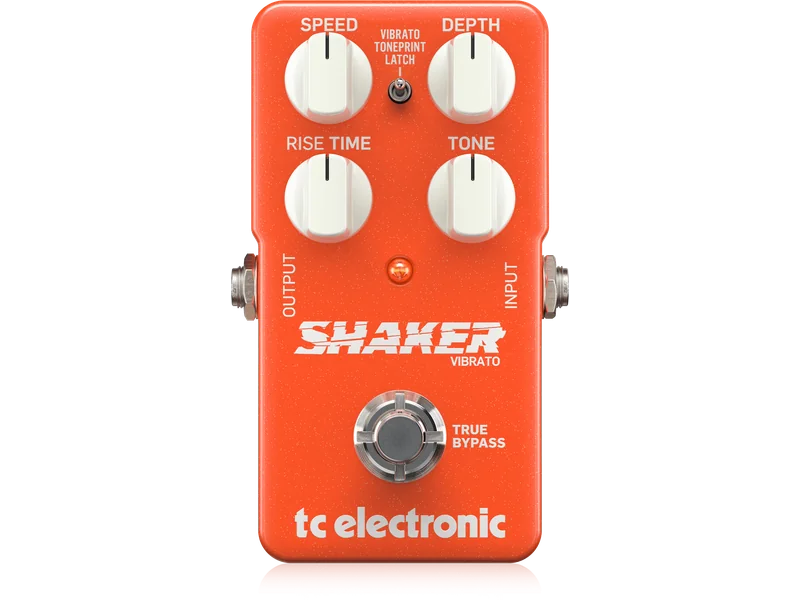
Cinders Overdrive
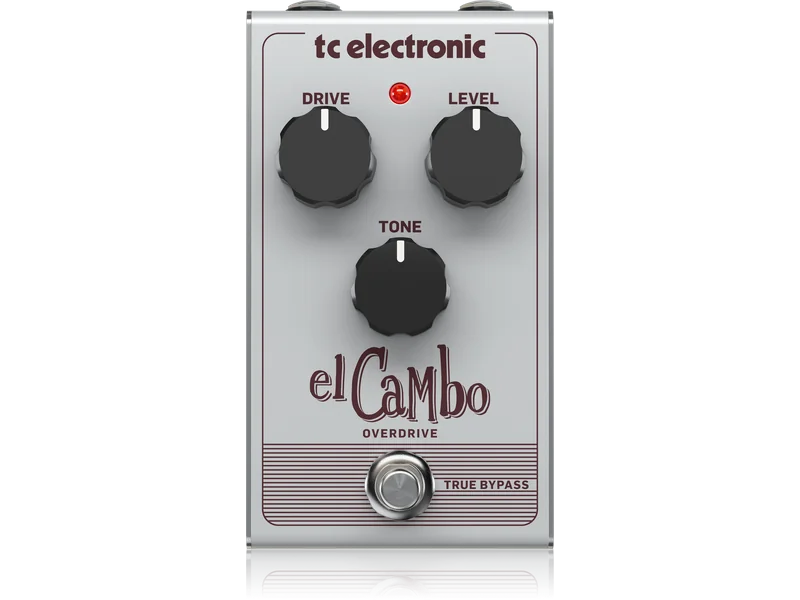
El Cambo Overdrive
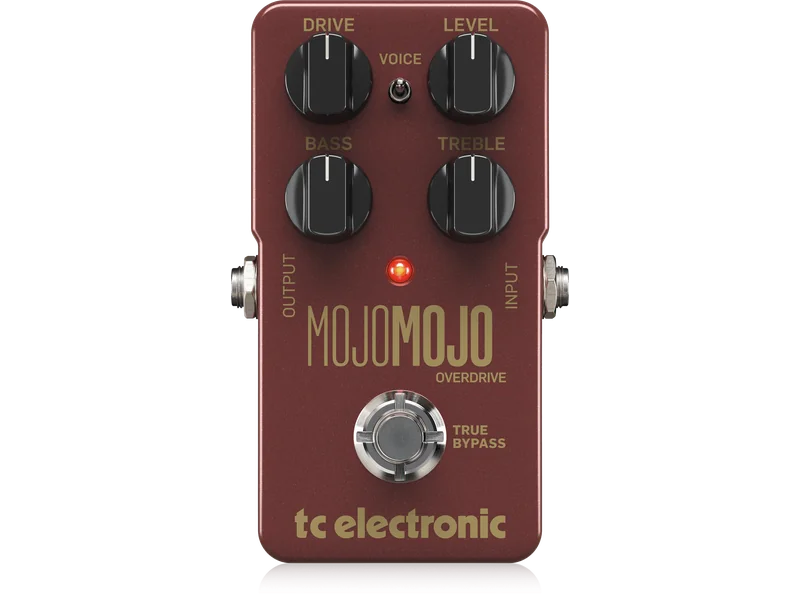
MojoMojo
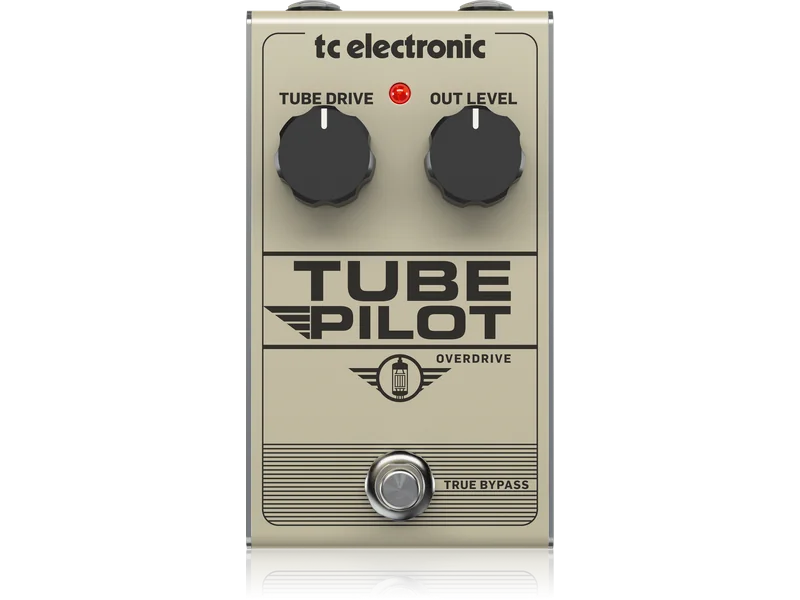
Tube Pilot Overdrive
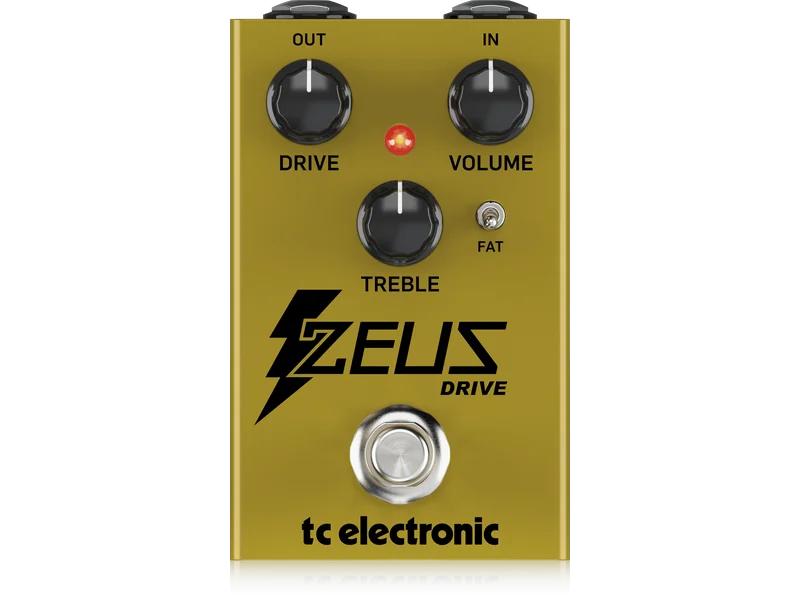
Zeus Drive
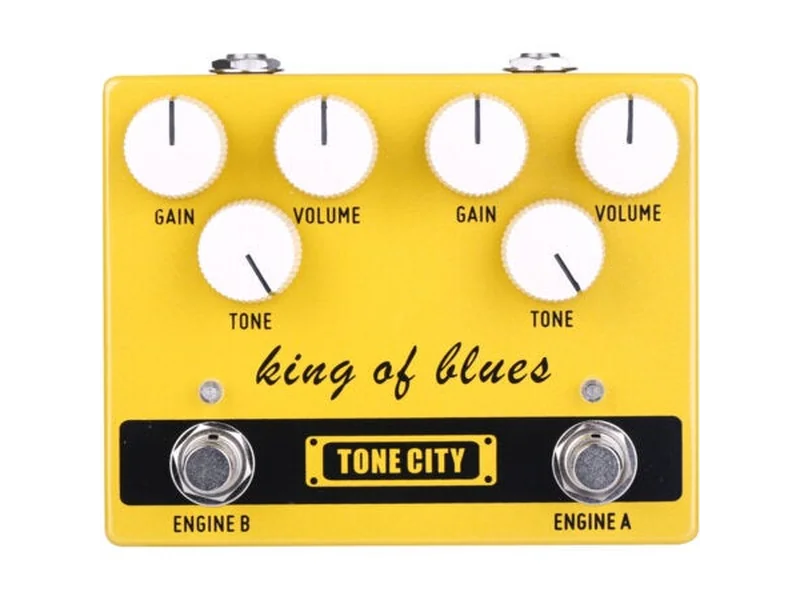
King Of Blues V2
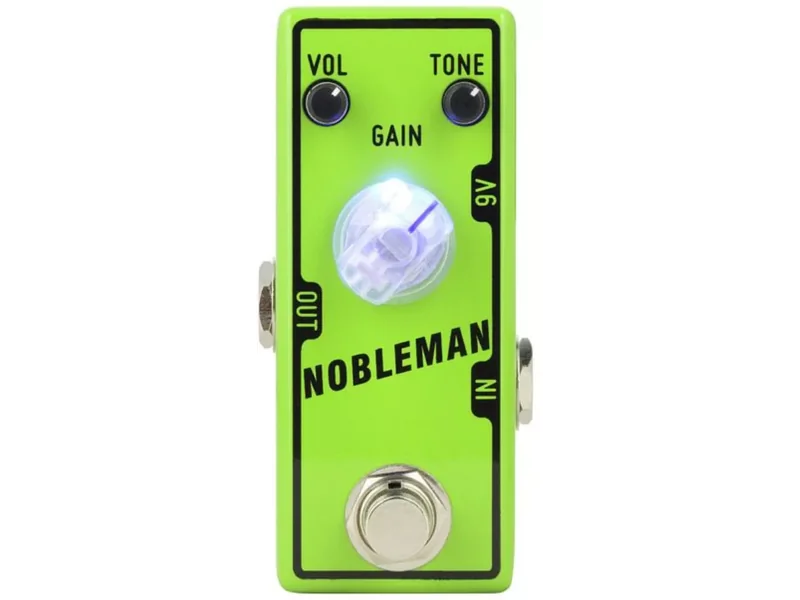
Nobleman
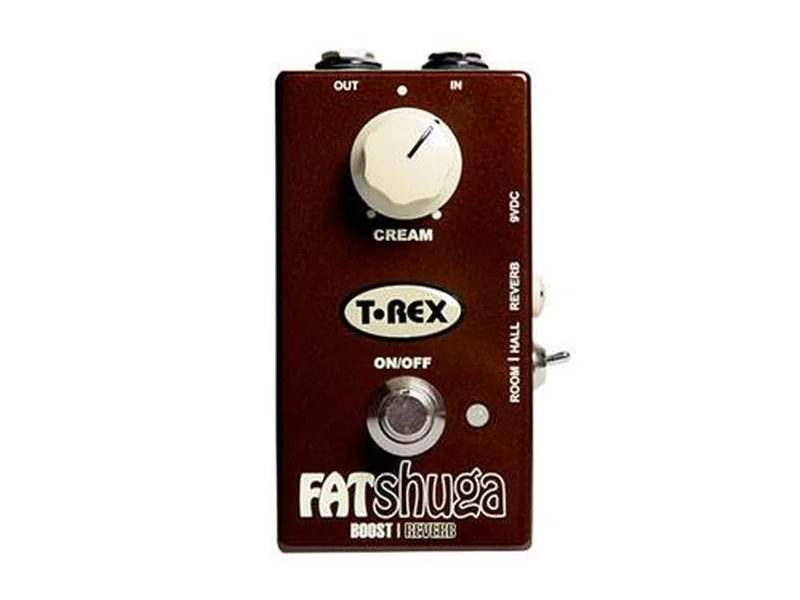
Fat Shuga
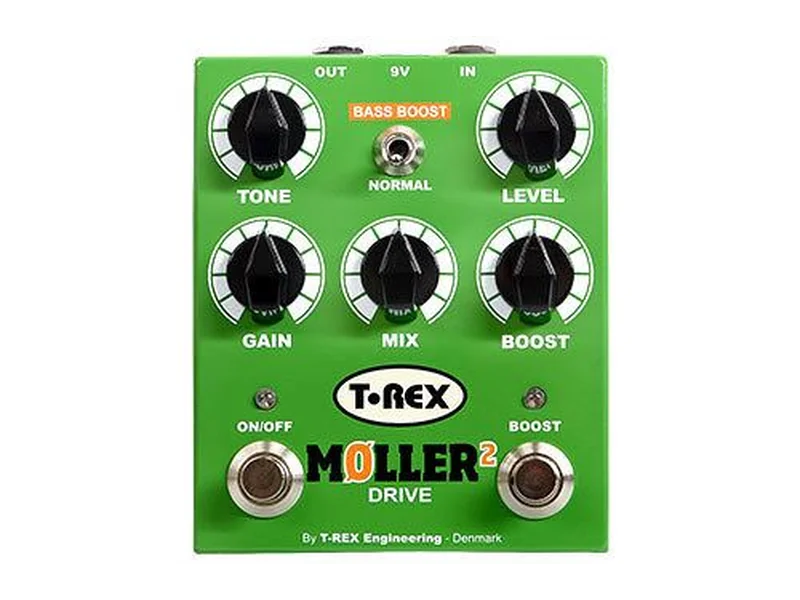
Moller 2
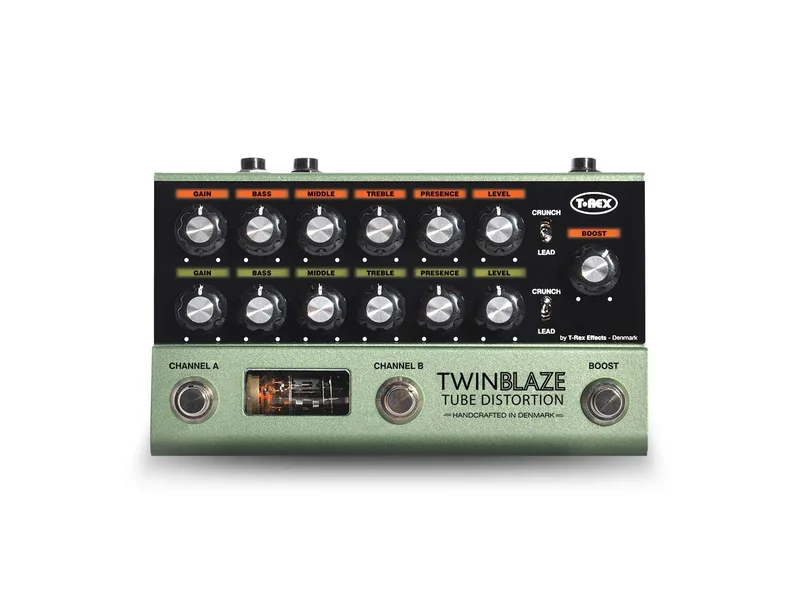
Twinblaze
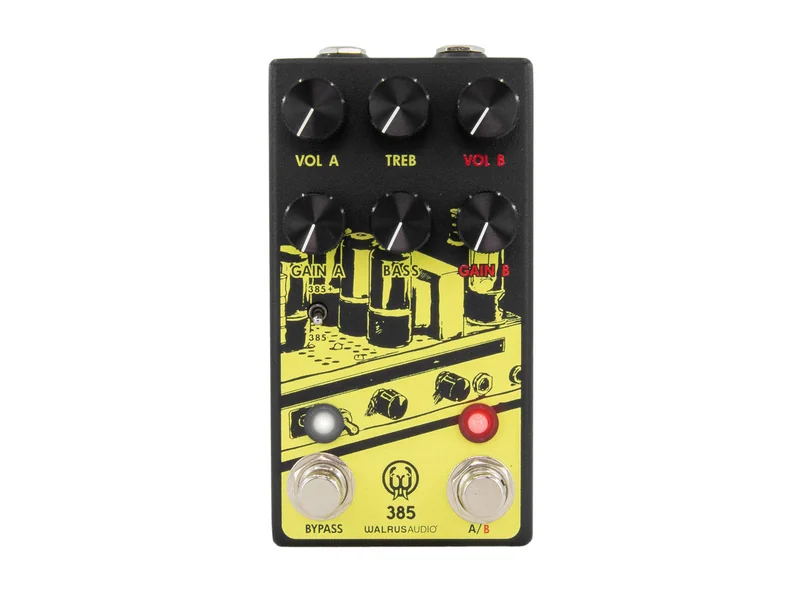
385 MKII
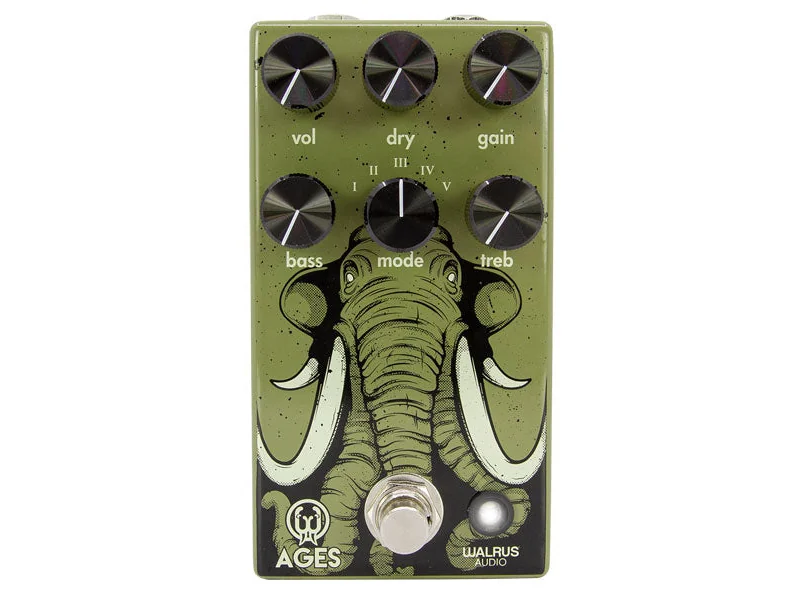
Ages
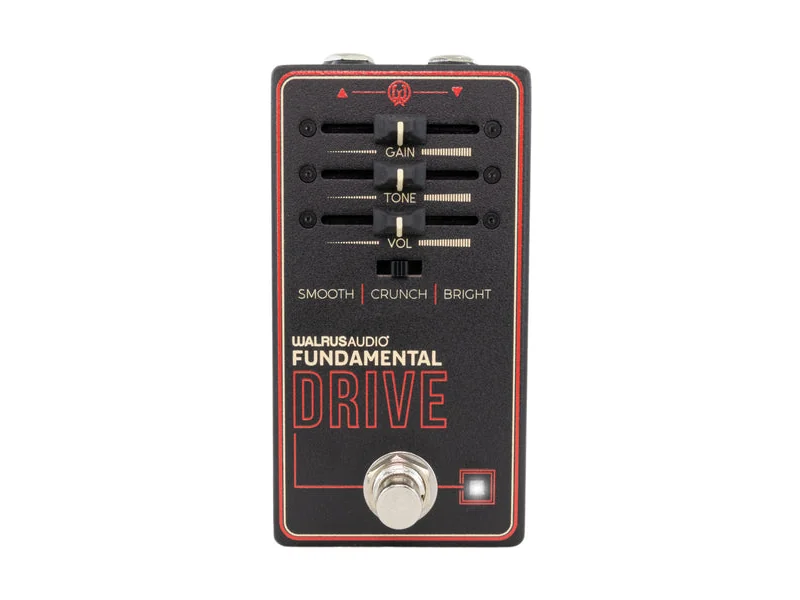
Fundamental Drive
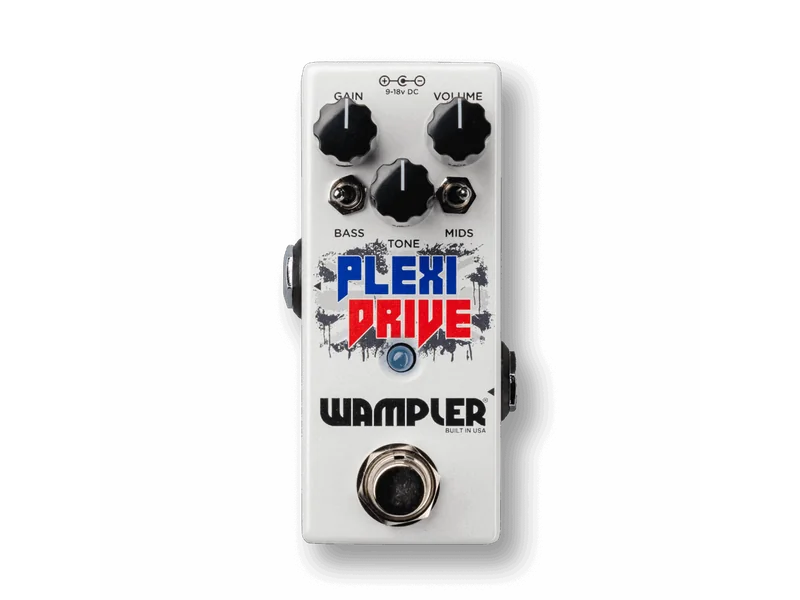
PleXI Drive
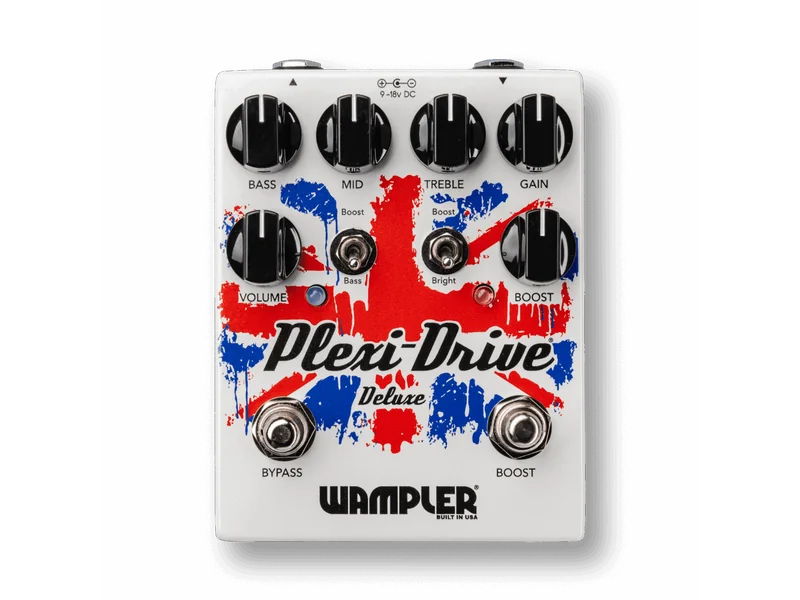
PleXI Drive Deluxe
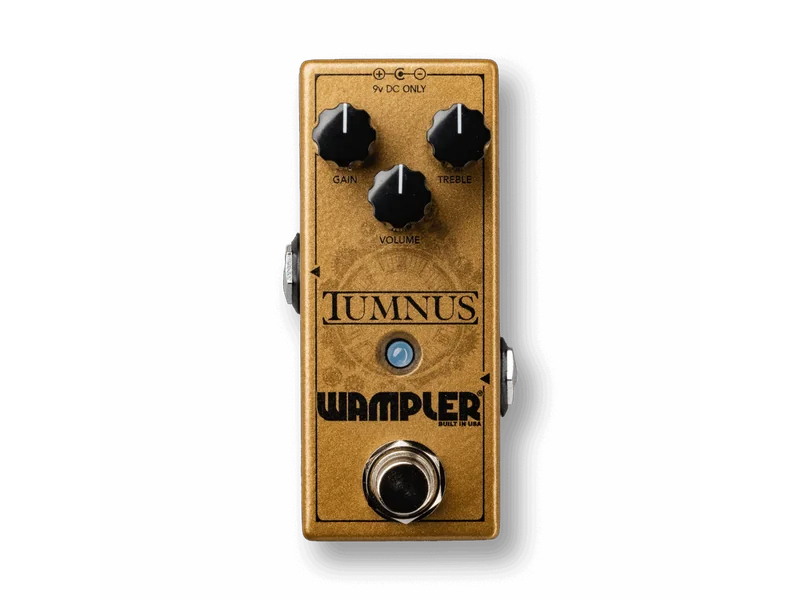
Tumnus
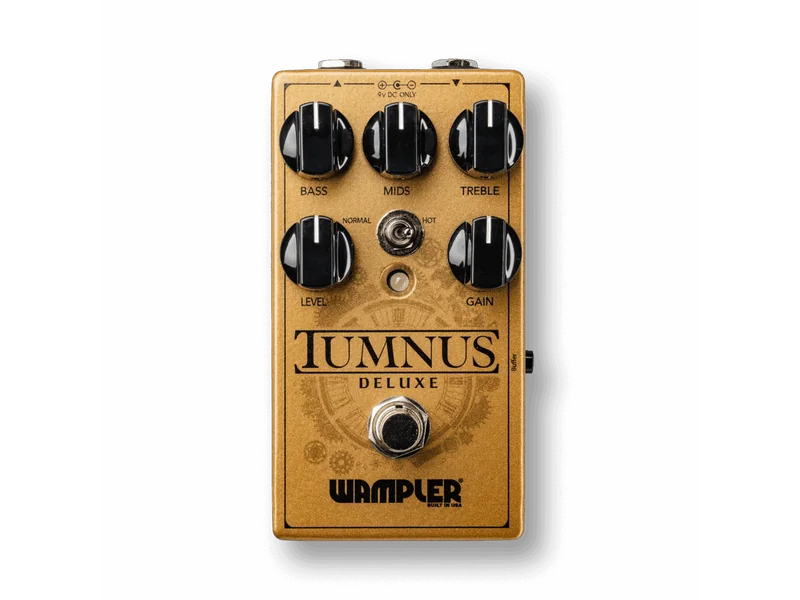
Tumnus Deluxe
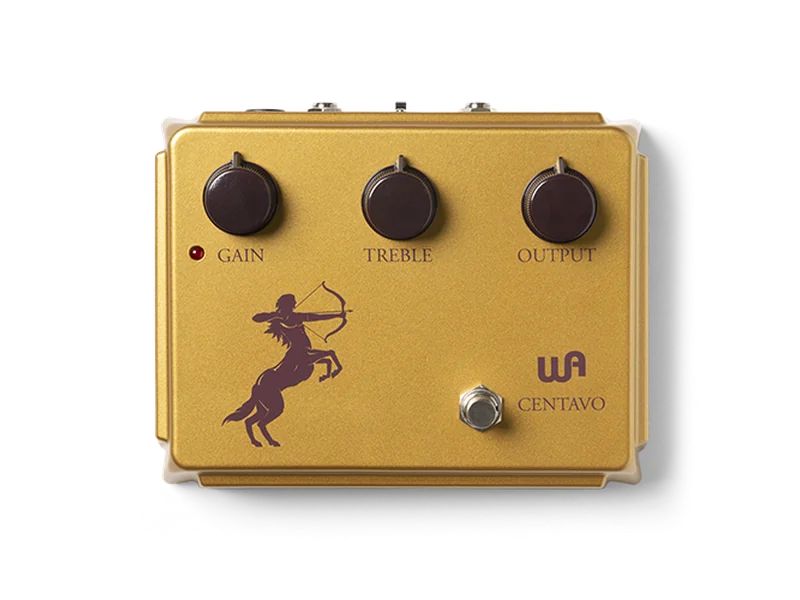
Centavo
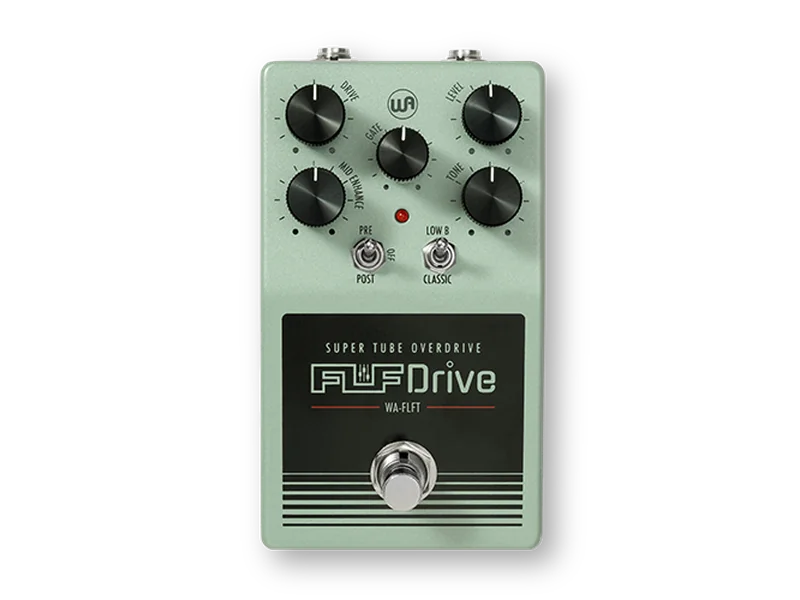
Fluff Drive
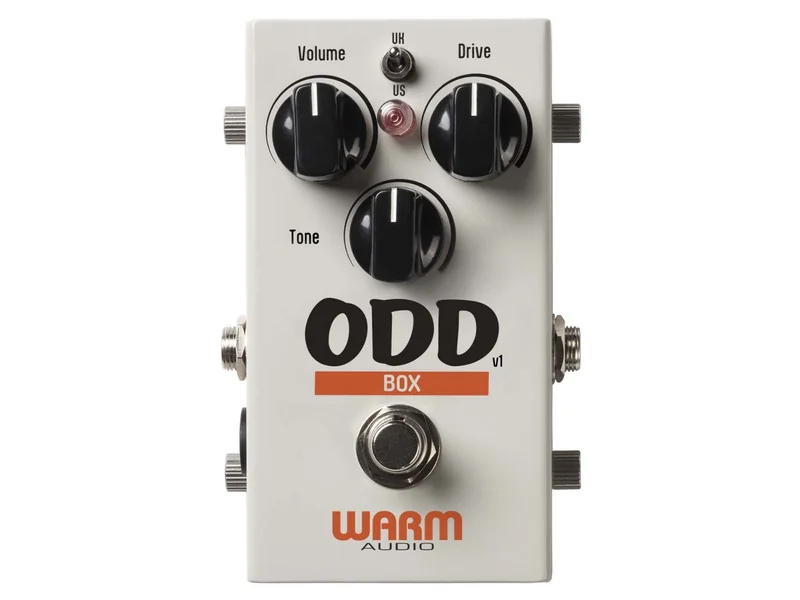
ODD Box
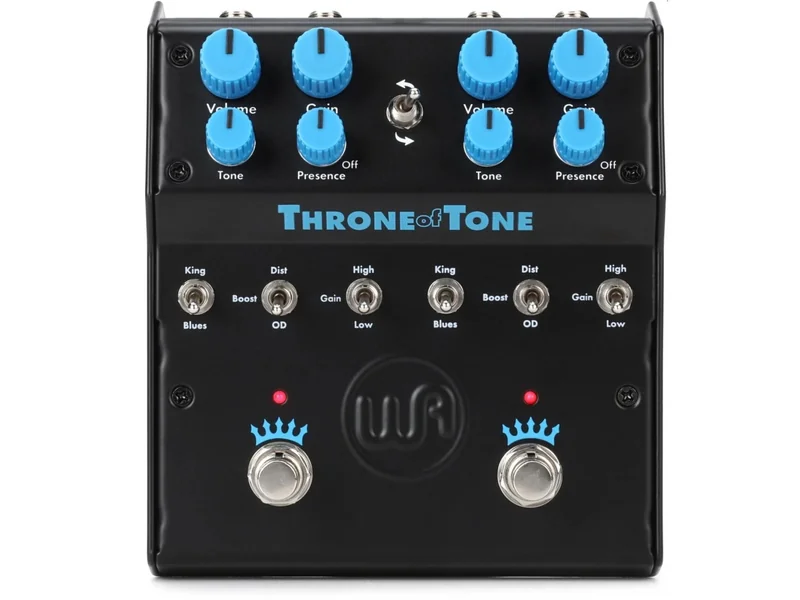
Throne of Tone
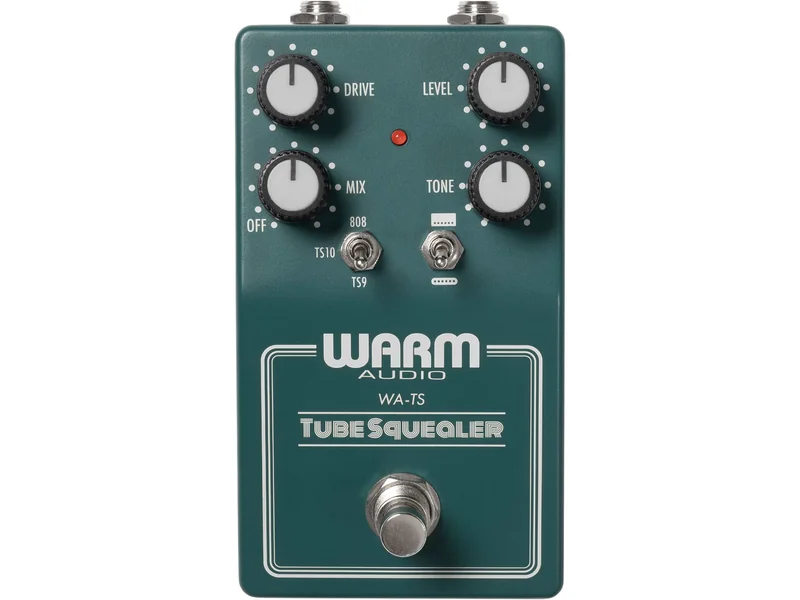
Tube Squealer
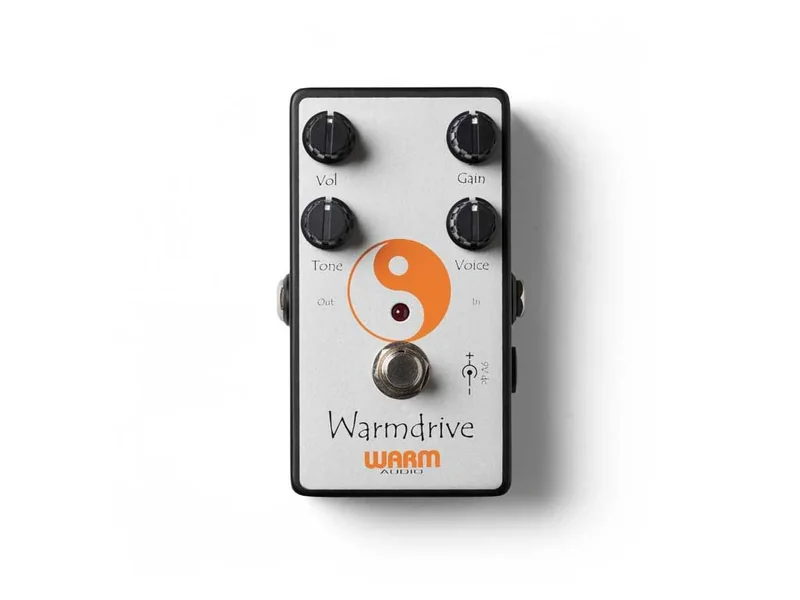
Warmdrive
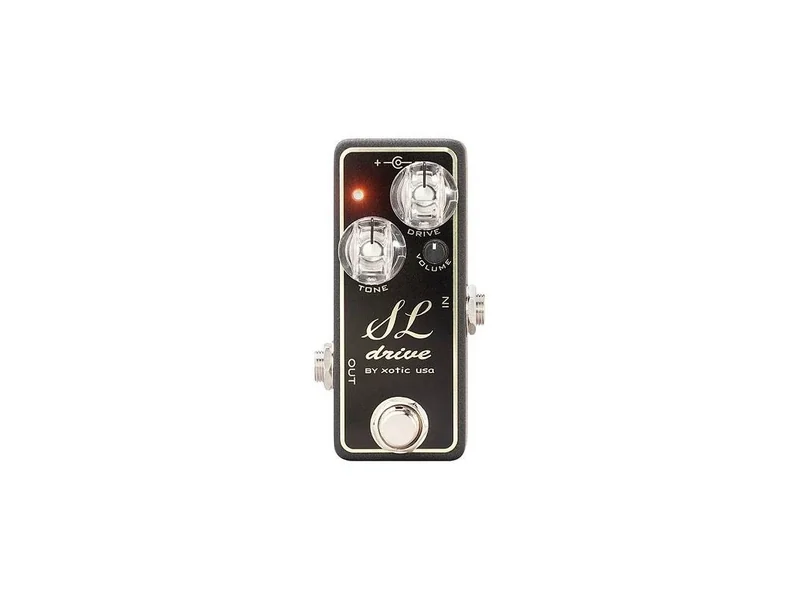
SL Drive
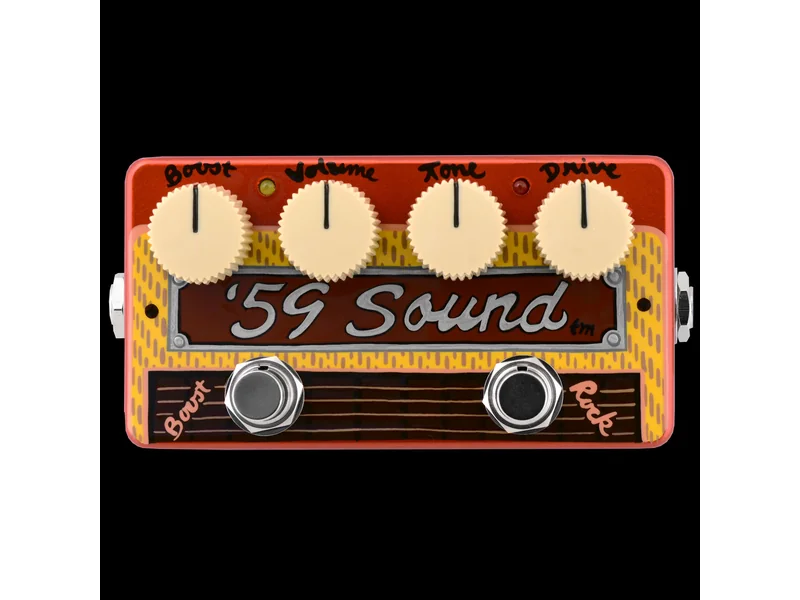
'59 Sound