Echo that won't break the bank
Best Budget Delay Pedals
Delay is one of those effects where you really notice the difference in quality. A great delay can transform a simple riff into something cinematic; a bad one sounds like your tone is drowning in quicksand. But here's the thing—you don't need boutique prices to get usable, musical delay tones. Far from it, in fact.
The Best Match for Your Style
Carbon Copy Analog Delay
MXR
Famous for its dark bucket-brigade repeats that get warmer and darker with each echo. The benchmark for analog delay warmth.
TonePrint technology lets you beam custom sounds from your phone. Tap tempo and MASH footswitch.
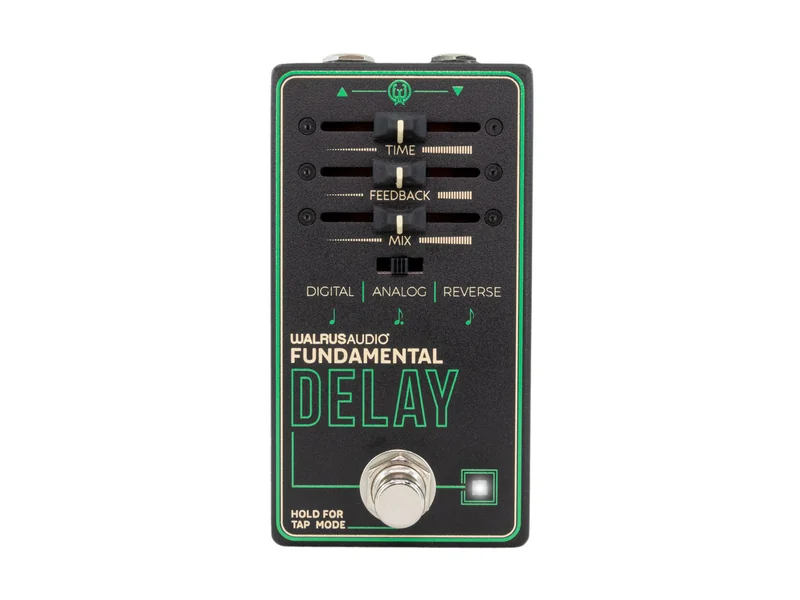
Fundamental Delay
Walrus Audio
Clean, simple digital delay with excellent tap tempo and trails support.
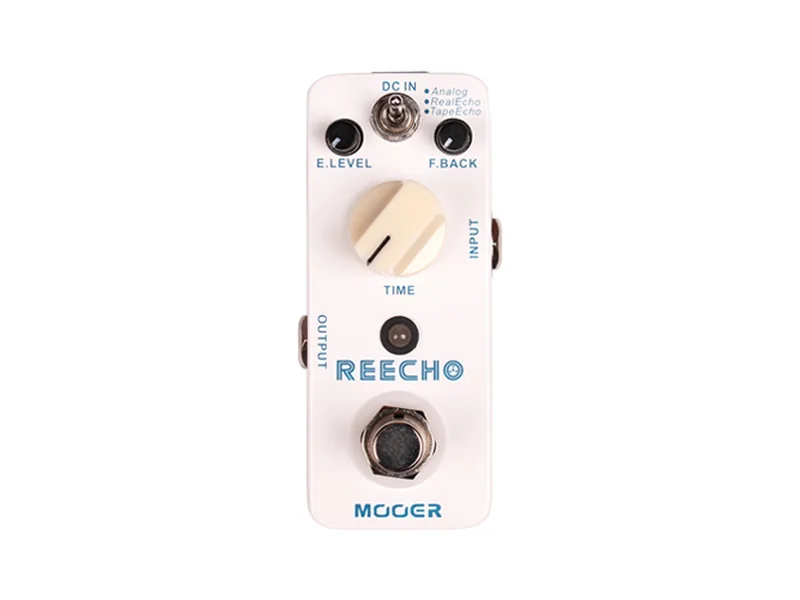
Reecho
Mooer
Three delay modes including tape echo simulation. Great for creating atmospheric soundscapes on a budget.
More Options
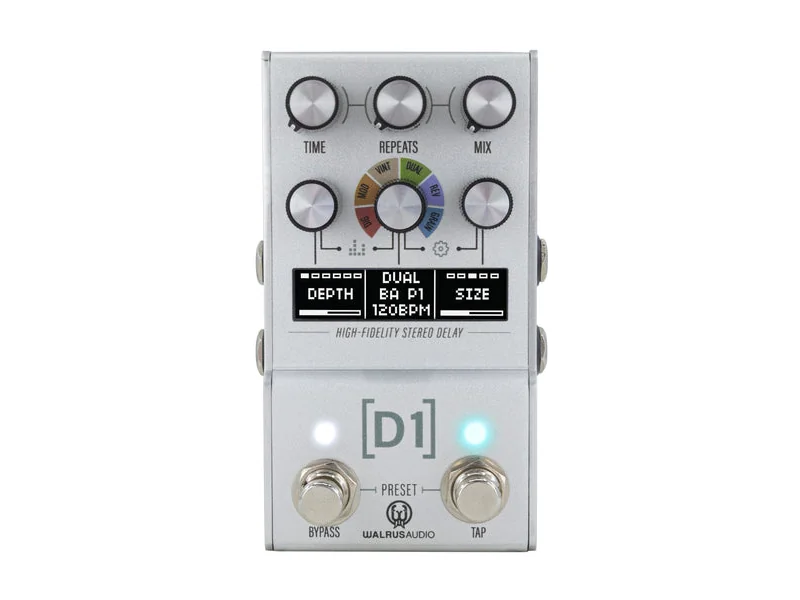
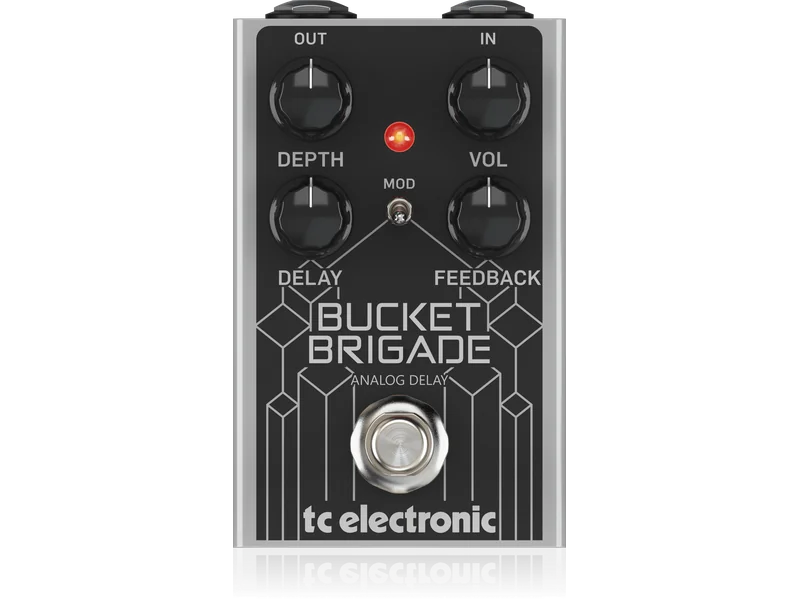
The Three Flavours of Delay
Understanding delay types is essential before you buy, because each flavour brings something completely different to your board.
Analog Delay — Uses BBD (bucket-brigade) chips to create repeats that progressively degrade. Each echo gets darker, warmer, and more atmospheric, eventually fading into beautiful noise. Perfect for subtle slapback on blues records or creating ambient textures that feel lived-in. The deterioration isn't a bug—it's the feature.
Digital Delay — Offers pristine, crystal-clear repeats that maintain their character however many echoes you stack. Modern digital pedals have become incredibly sophisticated, often modelling analog circuitry to capture that warmth while adding features analog could never dream of. Better for rhythmic, defined repeats.
Tape Delay — Models the organic warmth, modulation, and compression of vintage tape echo machines. The magic of tape delay is in the degradation—the way repeats subtly pitch-shift and lose high end, the way the self-oscillation sounds musical rather than harsh.
Key Features That Matter
Tap Tempo — Essential for live performance. If you're playing with a band, your delays need to sync to the music. No tap tempo means you're either speeding up or slowing down all night.
Trails — When you bypass the pedal, do the echoes continue playing out or cut off instantly? Trails is essential for ambient playing where you want the reverb tail to naturally decay. But for tight, rhythmic delay work, instant cutoff provides more precise control.
Hold/Looping — Some budget delays include a looper function that lets you capture a phrase and repeat it. Not a replacement for a dedicated looper, but brilliant for practice and writing.
Next Step
You've mastered the tone pedals. Now assemble it all together: the physical setup.
Read Part 13: How to Build Your First PedalboardIf you found this useful, consider buying us a coffee
Support the project