Walls of sound, no compromise
Best Reverb Pedals for Shoegaze
Shoegaze is defined by its walls of sound—massive, swirling reverbs paired with layers of distortion that blur the line between guitar and texture. It's a genre built on excess, on turning up until the individual notes dissolve into something greater than their parts. Getting that sound requires the right reverb pedal, and not just any reverb will do.
The Best Match for Your Style
Triple the processing power of the original, dual-engine capability. The ultimate shoegaze dream.
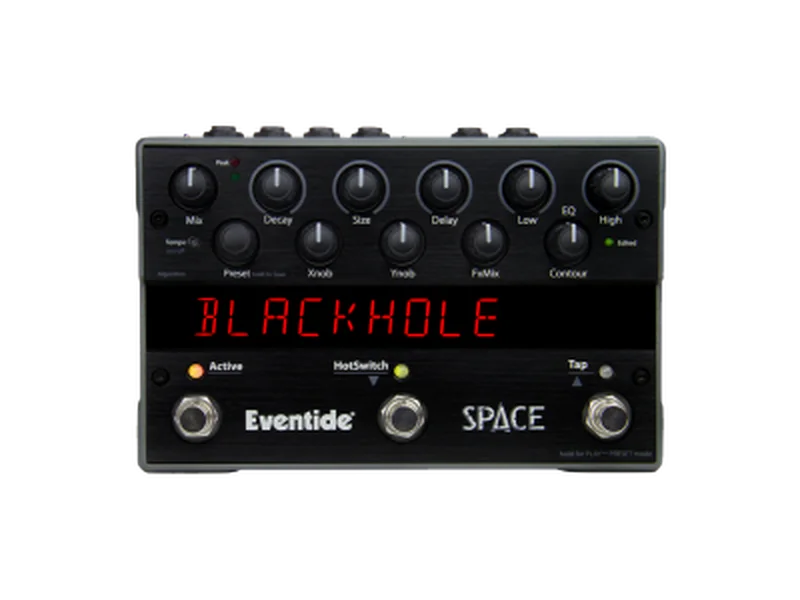
Space Reverb Effects
Eventide
Dark, moody, with the famous Blackhole algorithm. True end-of-the-world sounds.
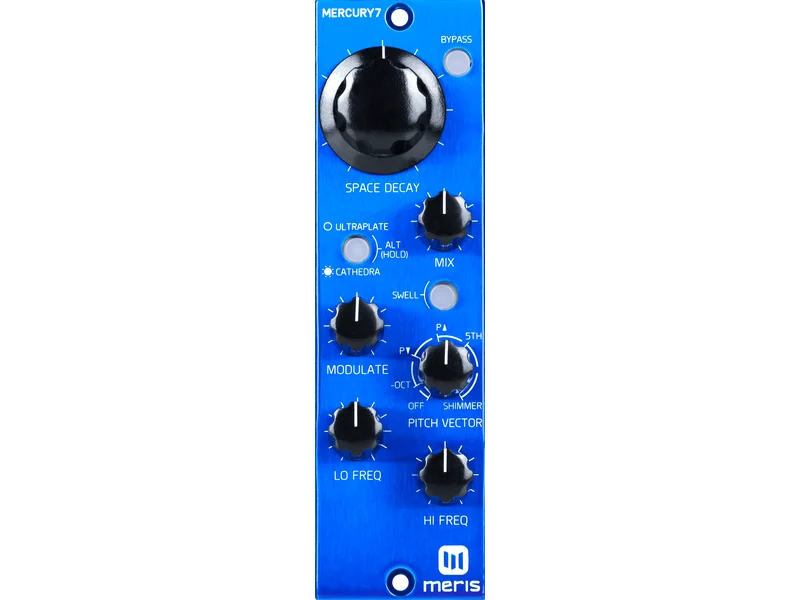
Mercury7 Reverb
Meris
Shimmer, Reverse (the Kevin Shields sound), and Polyphonic modes. Professional textures.
Lush modulation and depth. A classic choice for that dreamy, swirling character.
What Makes Shoegaze Reverb Different?
Standard reverb settings won't cut it. The shoegaze sound has specific requirements that come from the genre's recording techniques—you want to recreate what the records achieved in the studio, but in a live context.
Long Decay Times — We're talking sustained for several seconds, letting the reverb trails overlap and build into an infinite wash. Short, snappy reverbs don't create walls of sound; they create rooms. You want decay times that let each note become part of a larger texture.
Modulation & Special Modes — Subtle pitch shifting in the reverb tail adds movement and dreaminess. This is what makes the reverb feel alive rather than static. Reverse Reverb is essential for shoegaze—it's the sound of Kevin Shields and My Bloody Valentine, making the guitar sound like it's breathing backward. Shimmer modes add ethereal, high-frequency textures that define the genre.
High Mix Levels — Shoegaze reverbs are often set wet-only or nearly so. The guitar disappears into the reverb, becoming part of the atmosphere rather than a distinct voice. This is the opposite of subtle ambient playing—it's commitment.
Trail Management — Long reverbs need proper spillover to sound natural. When you stop playing, the reverb should continue its decay rather than cutting off. Look for pedals with good spillover and trails features.
The Build
The classic shoegaze setup chains a reverb with lots of modulation into various drive pedals—often several stacked together. The order matters.
Standard Setup (Drives → Reverb): Reverb last creates clean, separated repeats. This maintains definition even through heavy drives.
The Secret Shoegaze Technique (Reverb → Drives): Place your massive reverb BEFORE your fuzz. This causes the distortion to compress the reverb trails, creating that literal "wall of sound" where the guitar disappears into synth-like texture. It's noisy, chaotic, and exactly how the classics were made. The Big Muff crushes the reverb tails into a unified, distorted wash.
Experiment with both. One creates clarity; the other creates chaos. Shoegaze thrives in the chaos.
Next Step
Explore the genre that redefined reverb. Next, find the delay pedals that deliver studio tone on a budget.
Read Part 12: Best Budget Delay PedalsIf you found this useful, consider buying us a coffee
Support the project